



 Wenjoy Editorial Team
24 Nov 2026
Farmhouse
Airbnb Dubai Legal Guide
Airbnb in Dubai is legal, but it runs on a rulebook. Every short-term rental must be registered as a holiday home with the Dubai Department of Economy and Tourism (DET), each unit needs its own permit, and the permit number must appear on every listing. Hosts who comply earn guest trust; those who ignore the rules face fines or closure.
This guide walks through the legal framework in plain language — what hosts must do, what guests should know, and the penalties that keep the system honest.
What are the core Airbnb rules in Dubai for hosts?

The core rule is registration. If you are wondering "is Airbnb legal in Dubai" as a guest, the answer is an unequivocal yes — and this registration system is why. Before a single night is sold, the unit must be added to DET's Holiday Homes system, classified as Standard or Deluxe, and issued a permit. The permit number then has to be displayed on the Airbnb listing and on every other platform where the property appears. Airbnb itself enforces this: Dubai listings cannot be activated without a valid permit number. You will still see the old "DTCM" name across the industry — it is the same authority, now called the Department of Economy and Tourism (DET).
Also worth a look: holiday apartments in Dubai.
Registration is not just paperwork. The unit must be fully furnished, clean, and fitted with working utilities plus safety basics — smoke detectors, a fire extinguisher and a first-aid kit. DET inspects properties before approval and can return for unannounced checks later. If you are considering hosting, browse how Dubai apartments for short stays present themselves — licensed hosts treat the permit as a badge of quality, not a burden.
How do tourism dirham fees and permits work in practice?
Money flows in two directions. Hosts pay DET for the permit: fees start at AED 370 per unit per year (AED 300 per bedroom plus fixed knowledge, innovation and classification charges), rising with bedroom count up to AED 1,200 per unit per year. A one-off account registration fee also applies when first joining the system — always confirm the current figure on the official Holiday Homes portal, as fees are updated from time to time.
Guests pay the Tourism Dirham on top of the nightly rate: AED 10 per bedroom per night for Standard units and AED 15 for Deluxe. The host collects it and passes it to the authority. It is a small, fixed levy — a three-night stay in a one-bedroom Standard apartment adds just AED 30 to the total.
For more context: Dubai villa rentals and UAE staycation ideas.
What rights do Airbnb guests have under Dubai law?
Guests are well protected. Because every legal listing is registered, you have a traceable host, an inspected property and a clear complaints path. If a unit is not as described — unsafe, unclean, or materially different from the photos — you can raise it with the host, the platform, and ultimately DET.
Also worth a look: farmhouse stays in the UAE.
Practical rights worth knowing: you should receive the exact unit location before arrival, working access instructions, and a host contact who is reachable during your stay. Security deposits, where taken, must be handled transparently. And if you booked through a verified marketplace like Wenjoy's Dubai holiday homes, secure in-platform payment means your money is protected by the booking record — never send funds to a personal bank account outside the platform.
What are the penalties for breaking Airbnb rules in Dubai?
DET's fine schedule is designed to make non-compliance uneconomical. Operating a holiday home without a licence carries a AED 5,000 fine. Listing or advertising without the required approval carries AED 2,000. Repeat violations within twelve months can double the fine, up to a ceiling of AED 100,000, and DET can suspend or permanently close the unit.
Also worth a look: Dubai penthouse stays.
Platforms cooperate with enforcement. Unlicensed listings get removed, and hosts who are blacklisted on the DET system cannot simply reappear under a new name. For owners, the message is consistent: a holiday home in Dubai is a business, and like any business it needs its licence in order.
Can foreigners and tenants legally host on Airbnb in Dubai?
Foreigners absolutely can — property ownership in Dubai's freehold areas is open to non-residents, and non-resident owners routinely hold holiday-home permits. The permit system does not require UAE residency; it requires a registered unit that meets the standards.
Tenants can host too, but with an extra step: written consent from the landlord. DET requires a signed authorisation from the property owner before issuing a permit for a rented unit, and most tenancy contracts forbid subletting without permission anyway. If you rent, get the landlord's written approval first, then apply. Skipping that step risks both a DET fine and a breach-of-contract dispute with your landlord.
See also: UAE staycation ideas and holiday apartments in Dubai.
What does the annual renewal involve?
The holiday home license Dubai issues to each host lasts one year. Renewal opens in the portal about 30 days before expiry and requires updated documents, a still-valid No Objection Certificate from building management, and payment of the annual fee. The process is lighter than the first application — no fresh inspection in most cases — but it is not automatic. Miss the window and the permit expires; listings must then be deactivated until a new permit is issued.
Smart hosts set a calendar reminder two months out. A lapsed permit during peak season — think December through March in Dubai — can cost far more in lost bookings than the renewal fee itself.
Keep exploring: Wenjoy's travel blog · Dubai villa rentals.
How does Dubai compare with other cities on short-term rental law?
Dubai is stricter than many cities, and that is good news for guests. While some destinations rely on light-touch registration or none at all, Dubai requires per-unit licensing, displayed permit numbers, quality inspections and a per-night tourism levy. The result is a market with far fewer scam listings and a consistent quality floor.
Also worth a look: all verified holiday homes on Wenjoy.
For hosts, the trade-off is real: compliance takes effort and a few thousand dirhams a year. But the payoff is access to one of the world's most transparent short-term rental markets, where licensed properties command guest trust — and trust converts into bookings. Guests planning a UAE staycation can book a Dubai holiday home with more confidence than in almost any other major city.
How are disputes between guests and hosts resolved?
When something goes wrong, Dubai guests have a clear escalation path. Start with the host — most issues (a broken appliance, a late check-in) are resolved with a direct message. If the host is unresponsive, escalate through the booking platform's dispute process, which is where paying inside the platform pays off: there is a transaction record to adjudicate.
For serious matters — safety issues, misrepresented properties, or suspected unlicensed operation — guests can raise complaints with the Department of Economy and Tourism itself. Because every legal listing is registered, the authority can identify the host and act. This registered-and-traceable structure is precisely what makes Dubai's system stronger than cities where hosts are anonymous. Keep all booking confirmations, messages and receipts until after checkout; they are your evidence if you ever need it.
Related reading: holiday apartments in Dubai and Dubai penthouse stays.
What is your quick legal checklist before booking or hosting?
For guests: confirm the permit number with the host, read recent reviews critically, pay through the platform, and save all confirmations. If the price looks far below market, verify twice.
For hosts: secure building approval, register on the DET Holiday Homes portal, pass inspection, display your permit number, collect the Tourism Dirham, and renew annually. Keep records of every booking and every dirham of tourism fees collected.
Also worth a look: Dubai villa rentals.
Dubai's Airbnb rules reward everyone who plays by them. Guests get verified, inspected stays; hosts get a trusted marketplace. Ready to experience it? Browse verified Dubai holiday homes on Wenjoy and book direct with licensed local hosts — no guest service fees, no surprises.
Farmhouses to book in Dubai
Verified private stays on Wenjoy — live prices, book online or send an inquiry.
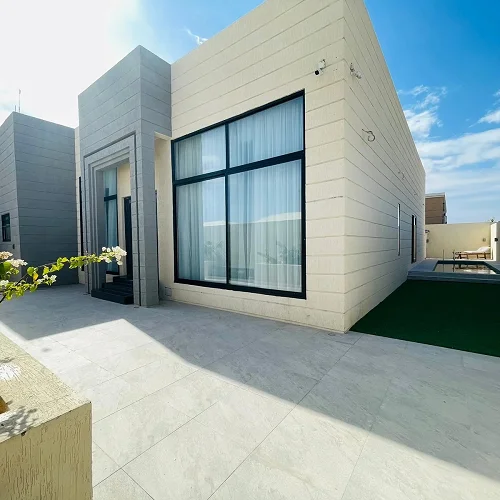
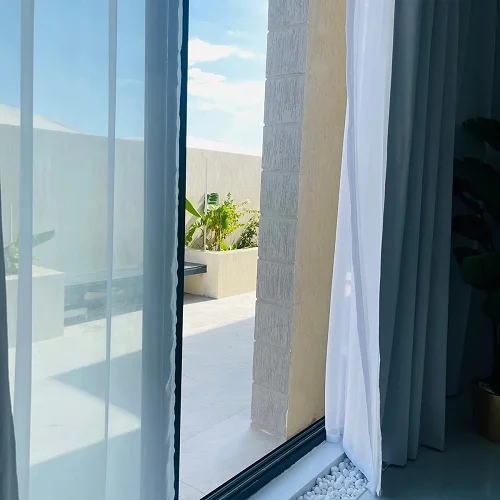
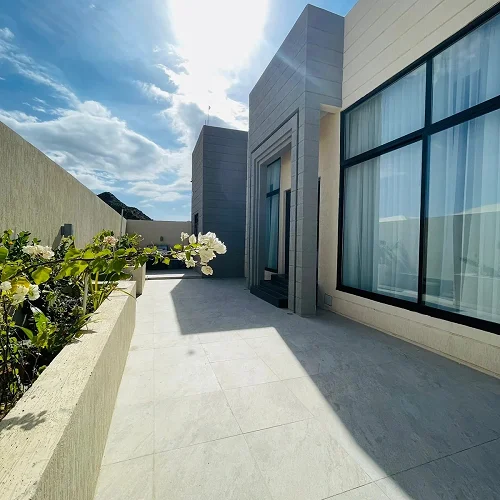
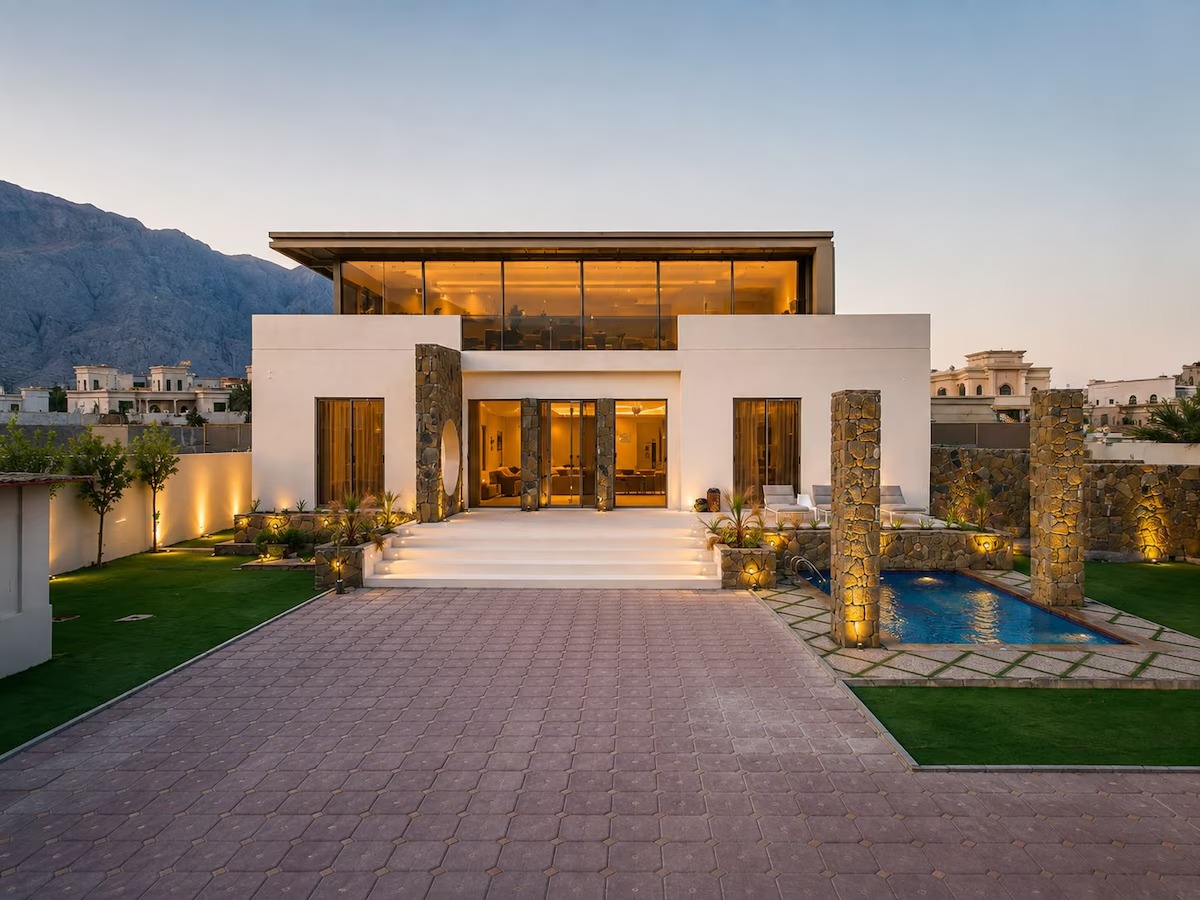
Luxury Villa, with a Private Pool
Hatta, Dubai, UAE

4Bedroom

4Bed

5Bath
Luxury Villa, with a Private Pool
4 Bedrooms
4 Beds
5 Baths
15 Guests
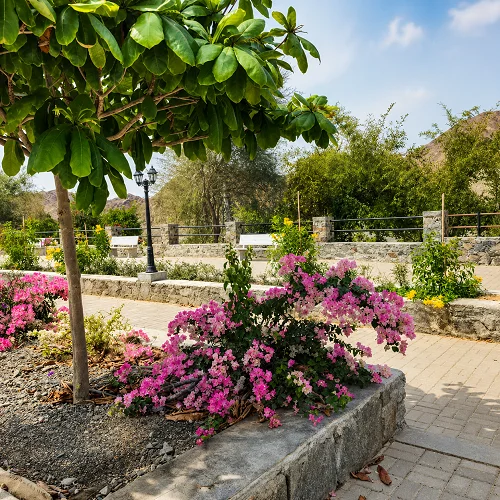
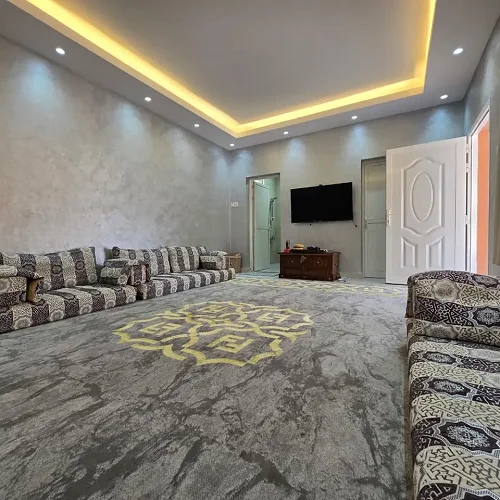
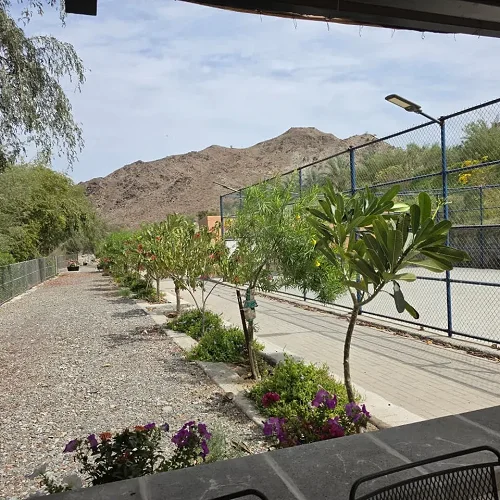
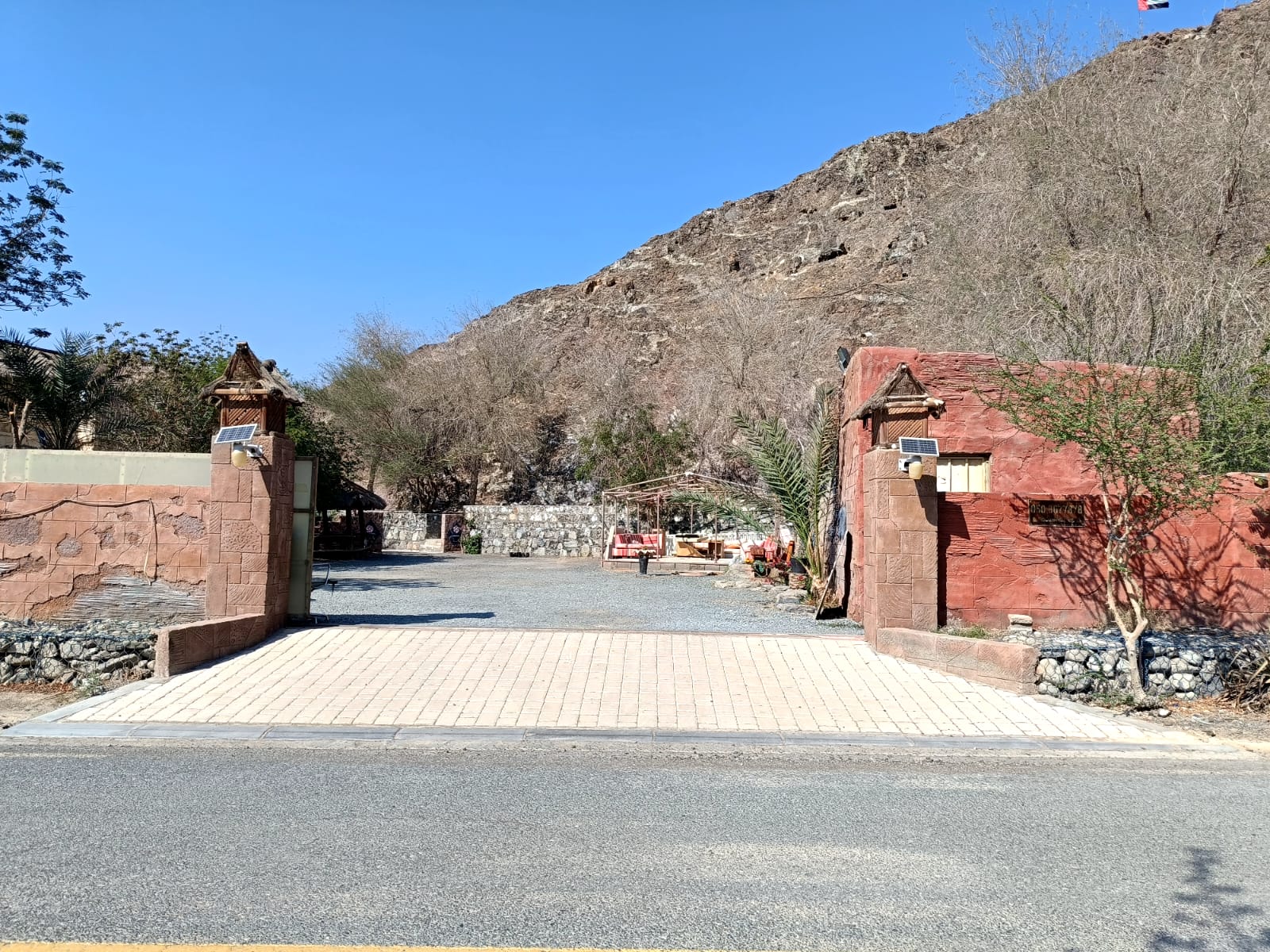
Ultimate Family Adventure Farm
Hatta, Dubai, UAE
5Bedroom
9Bed
5Bath
Ultimate Family Adventure Farm
5 Bedrooms
9 Beds
5 Baths
25 Guests
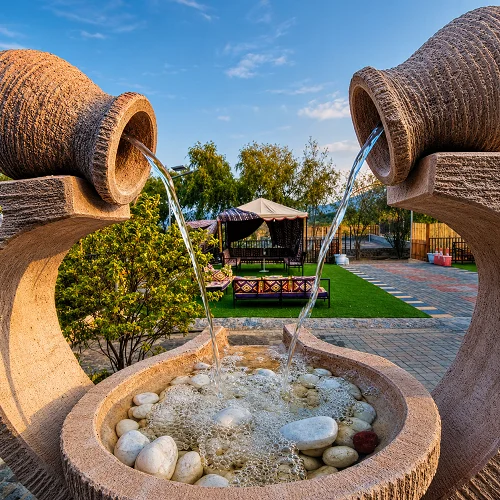
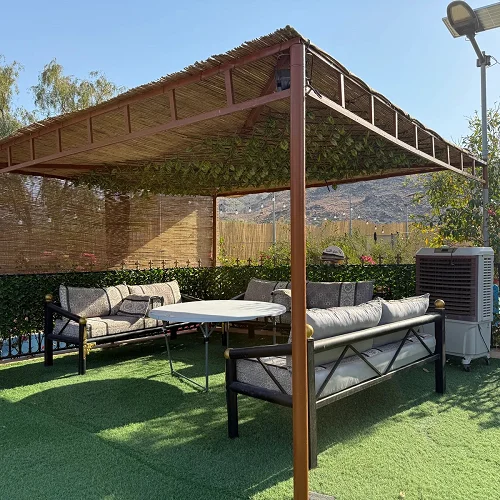
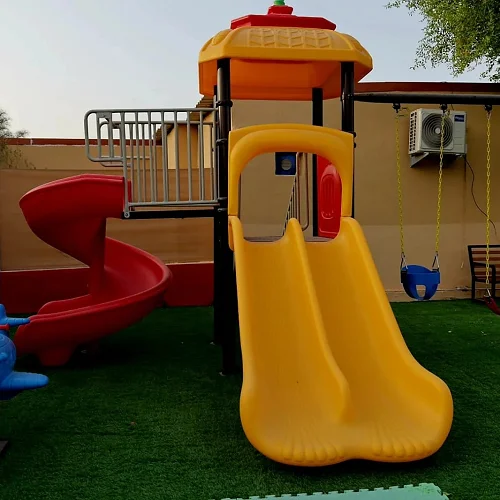
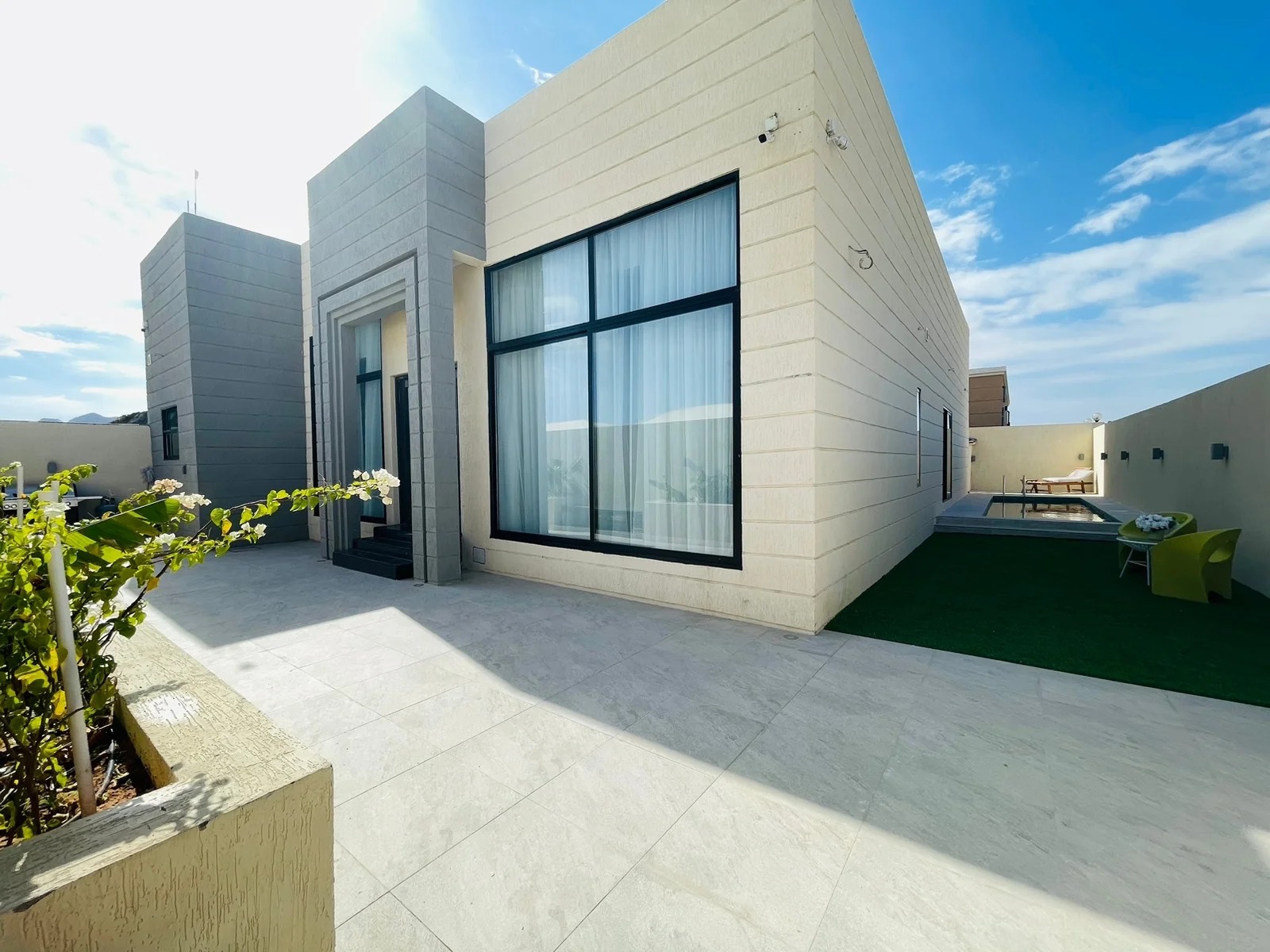
Luxury Farmhouse With Football Ground
Hatta, Dubai, UAE
4Bedroom
12Bed
4Bath
Luxury Farmhouse With Football Ground
4 Bedrooms
12 Beds
4 Baths
35 Guests

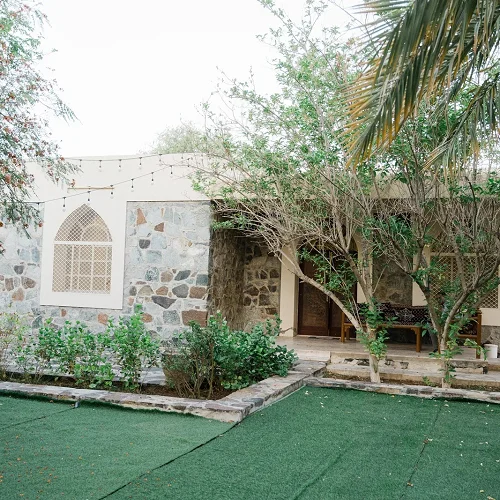
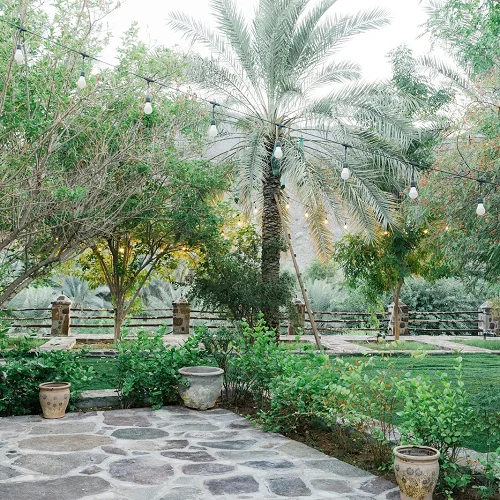
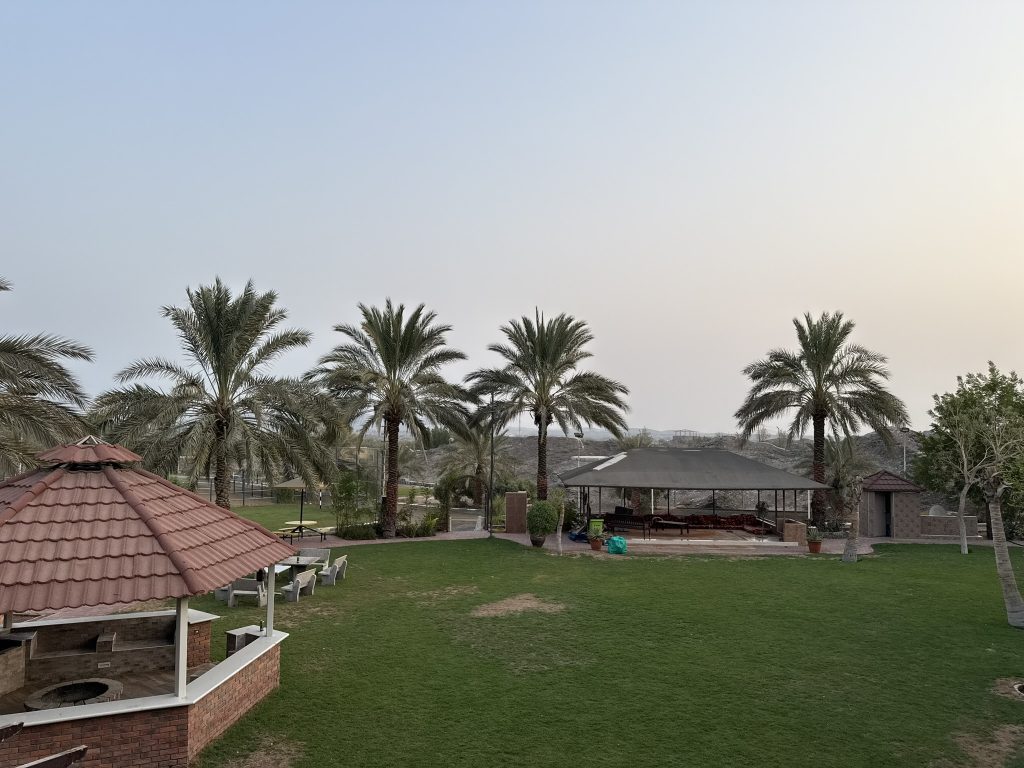
Hillside Farmhouse With Grand Majlis
Hatta, Dubai, UAE
3Bedroom
7Bed
4Bath
Hillside Farmhouse With Grand Majlis
3 Bedrooms
7 Beds
4 Baths
25 Guests


Search
Recent Posts
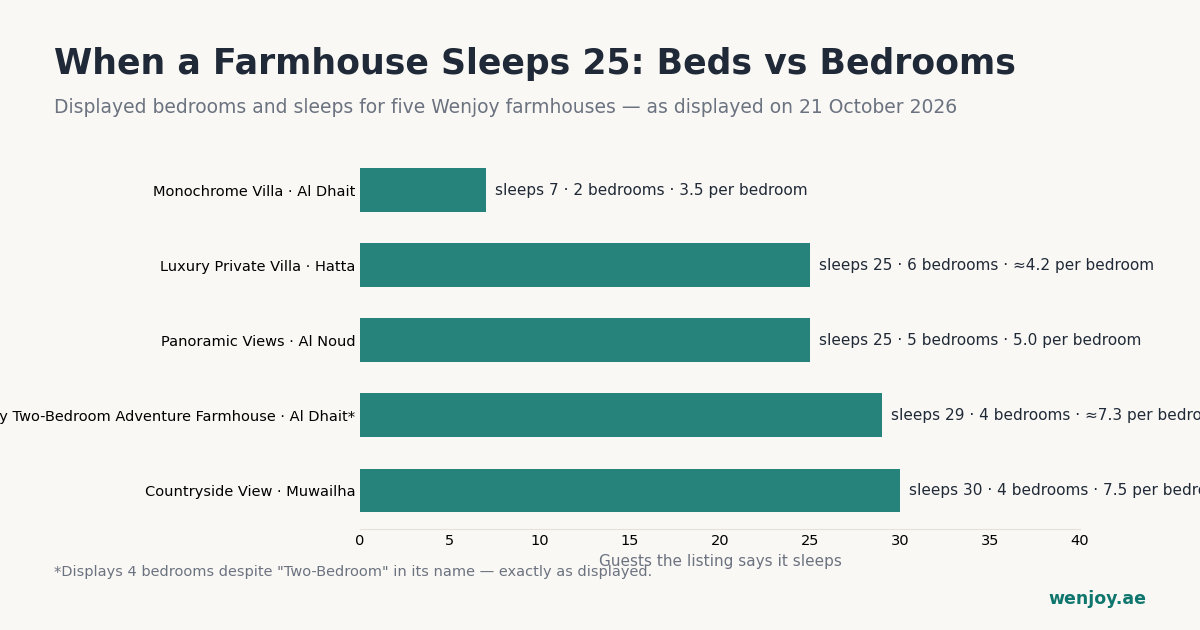
Top Farmhouse Stays
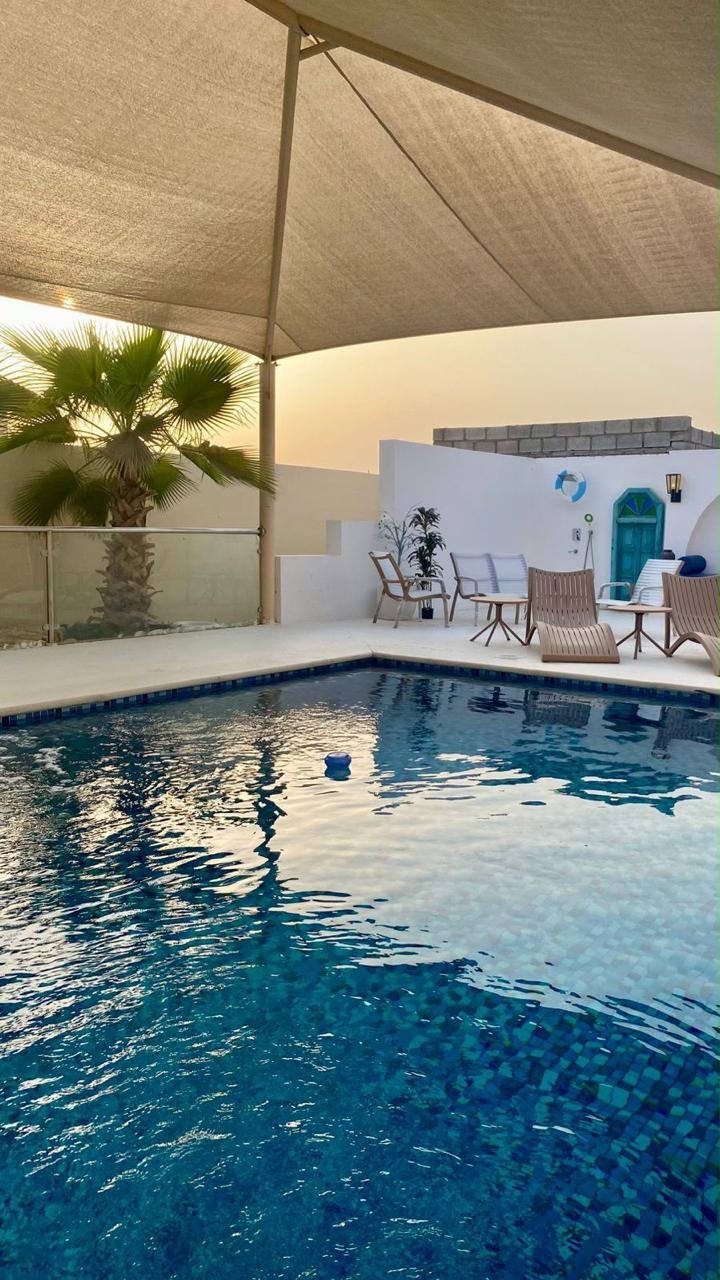


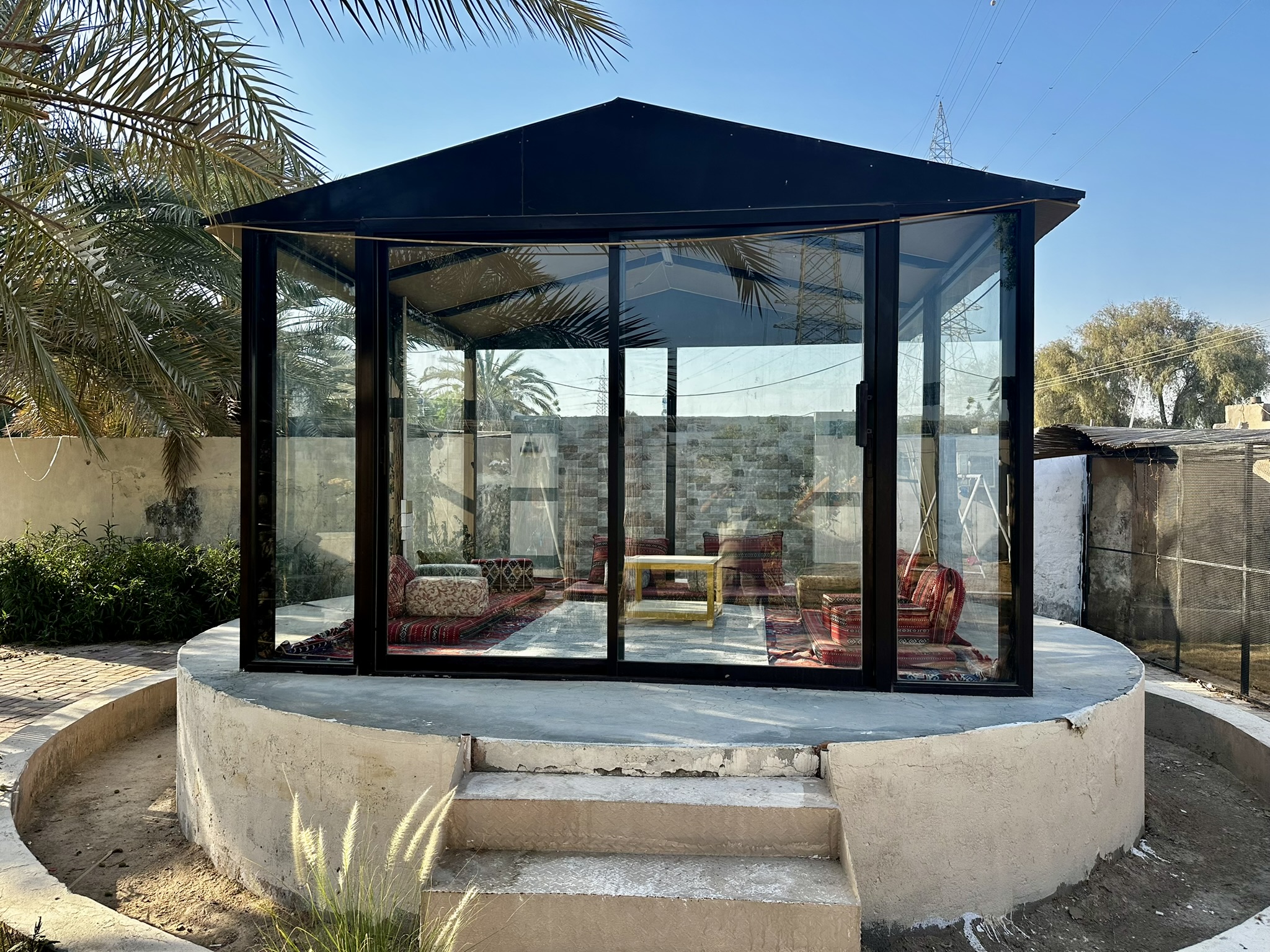
Book a UAE Farmhouse
Verified hosts, clear AED pricing, local support. From private-pool villas to group-size farmhouses across all 7 Emirates.
Browse Farmhouses →