


 Wenjoy
23 Jun 2026
Staycations
Wenjoy
23 Jun 2026
Staycations
Dubai Rental Market Trends: What Renters Need to Know in 2026
Dubai's rental market has stabilised after years of sharp rises: Bayut's 2025 data shows affordable apartments up to 21% higher (Deira led the rises), mid-tier up to 7%, and luxury rents mostly flat. With 72,000+ new homes delivered in 2025 easing pressure, informed renters can still negotiate well.
How Did Dubai's Rents Change in 2025?
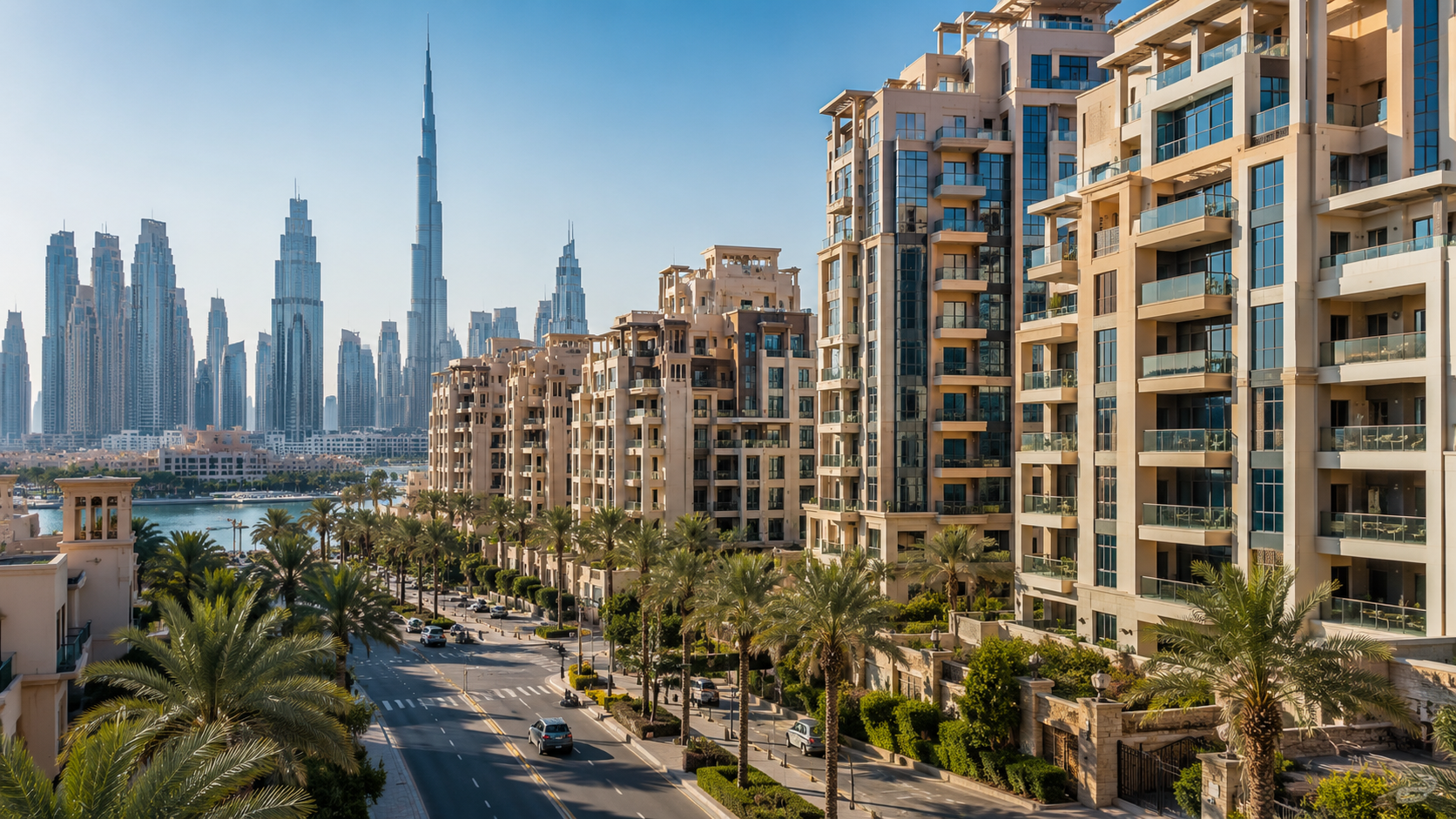
The Dubai rental market ended 2025 in a split state: stable overall, but moving in different directions by segment. Bayut's year-end 2025 market report found that rents for affordable apartments increased by up to 21%, with Deira recording the highest rises for family-sized units, as tenants prioritised budget-friendly housing (Bayut 2025 market report). Mid-tier apartment rents rose by up to 7%, while luxury apartment rents remained largely stable, with select units in Dubai Marina and Dubai Creek Harbour declining by up to 5%.
The villa segment was hotter. Affordable villa rents rose between 5% and 24%, and mid-tier villas climbed up to 15%. The standout was Arabian Ranches 3, where four-bedroom villas surged almost 70% following new home deliveries in the Caya and Bliss sub-communities. In the luxury bracket, Dubai Hills Estate's five- and six-bedroom villas jumped 79.5% and 27.7% respectively, driven by tight supply of large family homes.
The pipeline tells the next chapter of the story. More than 72,000 new units were expected to reach the market in 2025, and Haider Ali Khan, CEO of Bayut and dubizzle, has said this incoming supply is gradually easing rental pressure — while also noting that stabilising prices and the Dubai Land Department's First-Time Home Buyer initiative are nudging long-term residents toward ownership instead of renewal (H1 2025 Bayut/dubizzle data). If you're weighing whether to keep renting, run the numbers on buying versus renting a long-term home in Dubai against your expected stay length, and if you're new to the city, read how to book a UAE staycation without stress for flexible landing options while you search.
What this means for you: budget neighborhoods are no longer the automatic bargain they were — compare actual asking rents rather than assuming the area's old reputation.
Which Dubai Neighborhoods Offer the Best Value Right Now?
Affordable, mid-market, and luxury areas are behaving like three different markets. Knight Frank's Q4 2025 Dubai residential review found Jumeirah Village Circle recorded the highest apartment rent growth at 13%, with Business Bay up 10%, while Tilal Al Ghaf villa rents rose 13% year-on-year — but non-prime villa locations like Al Furjan saw rents slip by 2% (Knight Frank Q4 2025 review). That fragmentation rewards renters who compare sub-markets instead of citywide averages.
| Area | Vibe | Typical annual 1-bed rent | 2025 trend signal |
|---|---|---|---|
| Deira / Bur Dubai | Affordable, central, metro-connected | AED 32,000–48,000 | Strongest rise in affordable segment (up to 21%) |
| JVC | Mid-market family apartments | AED 45,000–65,000 | Apartment rents +13% (Knight Frank) |
| Dubai Marina | Waterfront, premium | AED 80,000–130,000 | Luxury flat to −5% on select units |
| Dubai Hills Estate | Upscale villa community | AED 180,000–260,000 (3-bed) | Large villas up 27–79% (tight supply) |
| DAMAC Hills 2 / Mirdif | Budget-friendly villas | AED 70,000–110,000 (3-bed) | Affordable villas +5–24% |
Pet owners get a real say in this choice: not every building welcomes animals, so check pet-friendly communities in the UAE before shortlisting towers in JLT, The Greens, or Arabian Ranches. And if you want the short-stay flexibility of a villa while you decide, browse Wenjoy's full list of Dubai farmhouses — several serve as comfortable bases during a relocation search.
Pitfall to avoid: falling for a low headline rent in a building with district cooling (Empower/Emicool) charges that add AED 500–1,000+ monthly in summer. Always ask for "chiller free" options or the actual cooling bill.
Villa or Apartment: Which Suits Your Life Better?
Apartments put you near commercial hubs — Downtown, Business Bay, the Marina — with building security, gyms, and shared pools, and they cost less to cool in summer. Villas and townhouses in Arabian Ranches, Dubai Hills Estate, or Jumeirah trade the commute for privacy, gardens, and room to entertain, but utility bills run higher and gardening is your problem.
| Factor | Apartment | Villa |
|---|---|---|
| Typical annual cost (mid-market) | AED 45,000–90,000 | AED 120,000–220,000 |
| Cooling costs | Lower (shared walls, chiller-free options) | Higher (larger volume, garden irrigation) |
| Commute | Shorter to CBDs | Longer from suburban communities |
| Outdoor space | Balcony/shared pool | Private garden and pool |
| Maintenance hassle | Low | Higher (garden, pest control, filters) |
For families comparing budgets, see affordable 2-bedroom villas in Dubai. If your move involves a short landing period first, a short-term serviced apartment lets you test commutes from different neighborhoods before signing a 12-month lease — or try a fully furnished private pool villa for the same flexibility.
Action: list your top three priorities (commute, schools, outdoor space) and score each area against them before touring — it prevents emotional decisions.
Furnished or Unfurnished: Which Saves You More?
Furnished units typically cost 10–20% more than unfurnished equivalents, but they eliminate the massive upfront spend on furniture and appliances — remember that in the UAE "unfurnished" usually means no refrigerator or washing machine either, just built-in kitchen cabinets and wardrobes. For stays under two years, furnished wins on total cost and convenience; beyond two years, unfurnished usually works out cheaper.
Short-term monthly rentals — fully serviced, utilities and internet bundled into one payment — are the ideal bridge for newcomers. The monthly rate runs higher than an annual lease, but you get to walk neighborhoods, test rush-hour commutes, and shortlist towers before committing. Our short-term rental guide for the UAE breaks down how nightly and monthly pricing compares, and Wenjoy's staycation collection lists furnished homes bookable by the night across Dubai.
What Are the Real Upfront Costs of Renting in Dubai?
The annual rent is only part of the bill. Budget for all of these before you sign:
| Cost | Typical amount |
|---|---|
| Agency fee | 5% of annual rent (+ 5% VAT on the fee) |
| Security deposit | 5% (unfurnished) or 10% (furnished) of annual rent |
| Ejari registration | AED 206–220 |
| DEWA deposit | AED 2,000 (apartment) / AED 4,000 (villa) |
| DEWA activation | AED 130–330 (non-refundable) |
| Dubai Municipality housing fee | 5% of annual rent, added monthly to your DEWA bill |
On a AED 100,000 apartment, expect roughly AED 7,000–9,000 in agency and deposit costs plus deposits — so keep at least AED 12,000–15,000 liquid for move-in. Paying the rent in fewer cheques (1–2 instead of 12) gives you real negotiating power: landlords often discount the annual total for upfront payment. Before committing to a year, many new arrivals spend a week in a furnished holiday apartment in Dubai to compare areas calmly.
Plan your landing stay: browse Wenjoy's Dubai holiday homes — furnished apartments and private villas bookable by the night, so you can search for a long-term rental without hotel bills draining your deposit fund.
How Do You Register a Tenancy and Move In?
Once you've negotiated rent and cheque terms, three registrations stand between you and the keys.
Ejari registration. "Ejari" (my rent) is the Dubai Land Department's electronic tenancy register. You can't connect DEWA or internet without the certificate. Register via the Dubai REST app with your UAE Pass: upload the signed contract, Emirates ID, passport, and landlord's title deed, pay ~AED 200, and receive the certificate by email — usually within hours.
DEWA activation. The Dubai Electricity and Water Authority takes a refundable deposit (AED 2,000 apartment / AED 4,000 villa) plus a non-refundable activation fee of AED 130–330. After Ejari approval, DEWA often sends an activation link automatically, and connection typically happens within 15–24 hours.
Move-in permit. Building security won't admit your movers without one. Register on the developer's portal (Emaar One, Sakani, or similar) with your Ejari and Emirates ID, upload your documents, and book a time slot. Some developers also require a landlord NOC confirming service charges are paid.
Pitfall: never pay anyone before the tenancy contract is signed and Ejari is in your name — the certificate, not a handshake, is what protects you.
What Are Your Rights on Renewals and Evictions?
Dubai's framework is more tenant-protective than many newcomers expect. The RERA rental price index calculator lets you check whether a proposed rent increase is legal before your renewal — check it at least 90 days before your contract ends. If the landlord misses the 90-day written notice for an increase, they lose the right to raise rent that year, even if the index would allow it.
Evictions follow strict rules under Law No. 33 of 2008. A landlord can only evict for specific reasons (selling, moving in themselves, major reconstruction) and must serve a 12-month notice through a Notary Public or registered mail — a WhatsApp message carries zero legal weight. Minor repairs generally fall to you; structural, electrical, and plumbing failures are the landlord's responsibility, and the Rental Dispute Center (RDC) handles disputes efficiently when landlords refuse major repairs.
When you move out, reclaim your deposit by following your addendum: professional cleaning or repainting receipts, cleared DEWA and internet bills, and a documented handover inspection with photos. For disputes, the RDC is the correct venue — and having everything in writing is what wins cases.
Frequently Asked Questions
Are Dubai rents still rising in 2026?
Growth has moderated. Bayut's 2025 data shows affordable apartments up to 21% higher year-on-year while luxury rents were flat or slightly down, and 72,000+ new units arriving in 2025 are gradually easing pressure (Bayut 2025 report). Expect targeted rises in supply-constrained villa communities, but a more negotiable market overall.
What is the RERA rental index, and how do I use it?
It's the Real Estate Regulatory Agency's public calculator: enter your property's location, type, and current rent to see the maximum legal increase your landlord can demand at renewal. Always check it 90 days before your contract expires.
How much does it cost to move into a Dubai rental?
Beyond annual rent, budget ~5% agency fee (+VAT), a 5–10% security deposit, AED 206–220 for Ejari, AED 2,000–4,000 DEWA deposit, and AED 130–330 activation — roughly AED 12,000–15,000 in cash on a AED 100,000 apartment.
Can my landlord evict me to raise the rent?
No. Under Law No. 33 of 2008, eviction requires a specific legal ground plus a 12-month notice served via Notary Public or registered mail. Finding a tenant willing to pay more is not a valid ground.
Is it cheaper to rent furnished or unfurnished in Dubai?
Furnished units cost 10–20% more in rent, but skip AED 20,000–60,000+ in furniture and appliance purchases. Furnished wins for stays under about two years; unfurnished is cheaper long-term.
Should I try a short-term rental before signing a long lease?
Yes — it's the lowest-risk move for newcomers. A furnished monthly stay lets you test neighborhoods and commutes before committing to 12 months of post-dated cheques.
How do short-term holiday-home rates compare to long-term rents?
Holiday homes price nightly and sit above monthly-equivalent long-term rents, but they include furniture, utilities, and flexibility. They're ideal as a landing base, not a permanent replacement — use them while you search.
Your Next Step: Rent Smarter in 2026
Dubai's rental market rewards the prepared: check the RERA index, compare neighborhoods with real numbers, verify chiller and cooling costs, and read every line of your tenancy addendum. And if you need a comfortable, flexible base while you hunt — a furnished holiday home in Dubai or a private-pool villa for a monthly landing stay — Wenjoy lists verified stays across the city, bookable by the night with upfront AED pricing.
Frequently Asked Questions


Search
Recent Posts
Top Farmhouse Stays
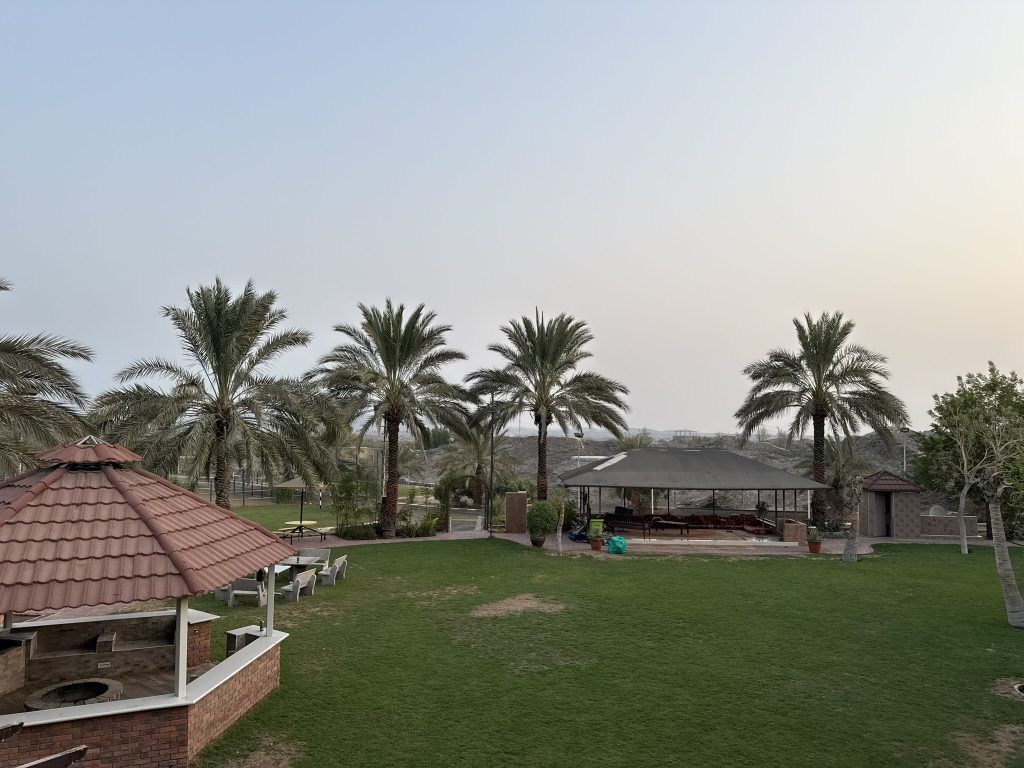
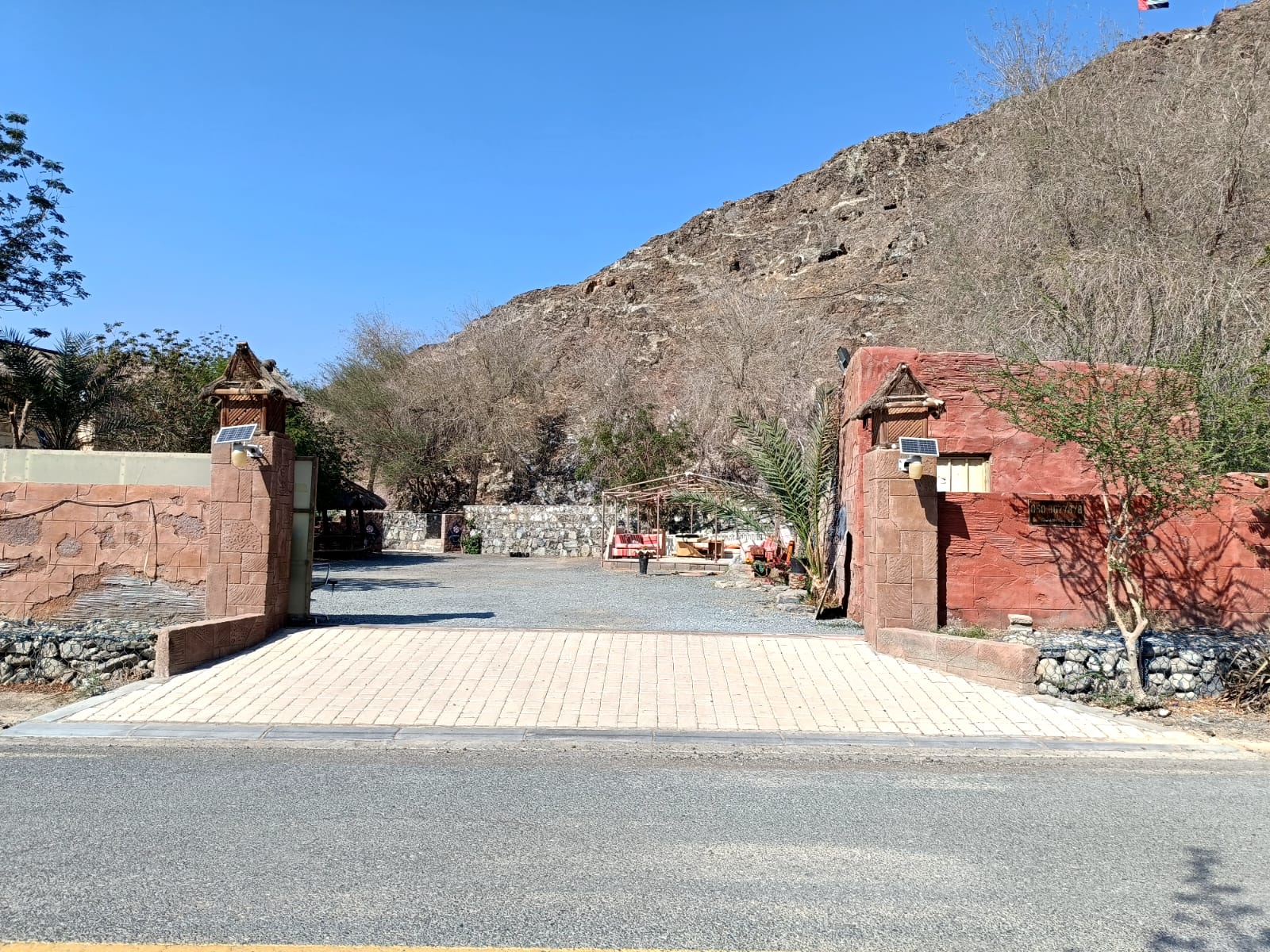
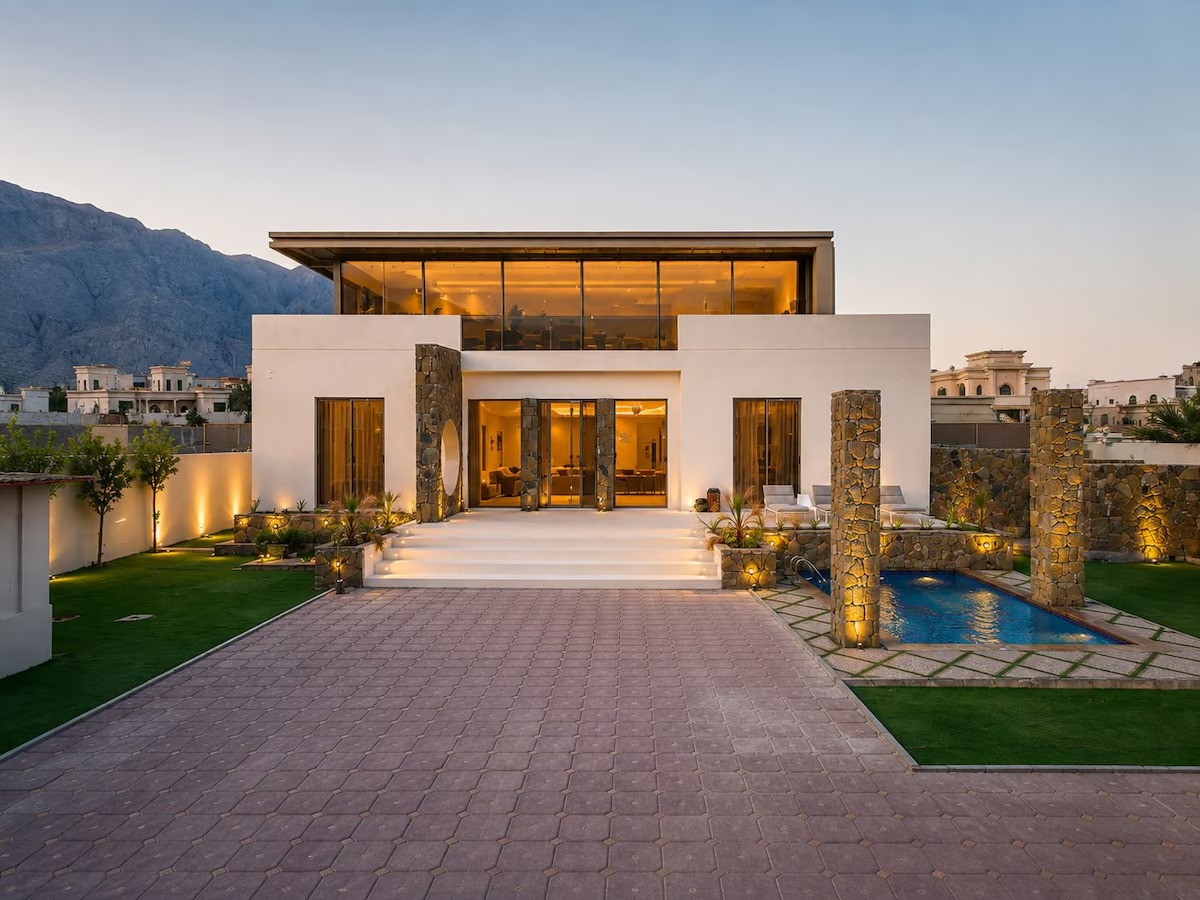
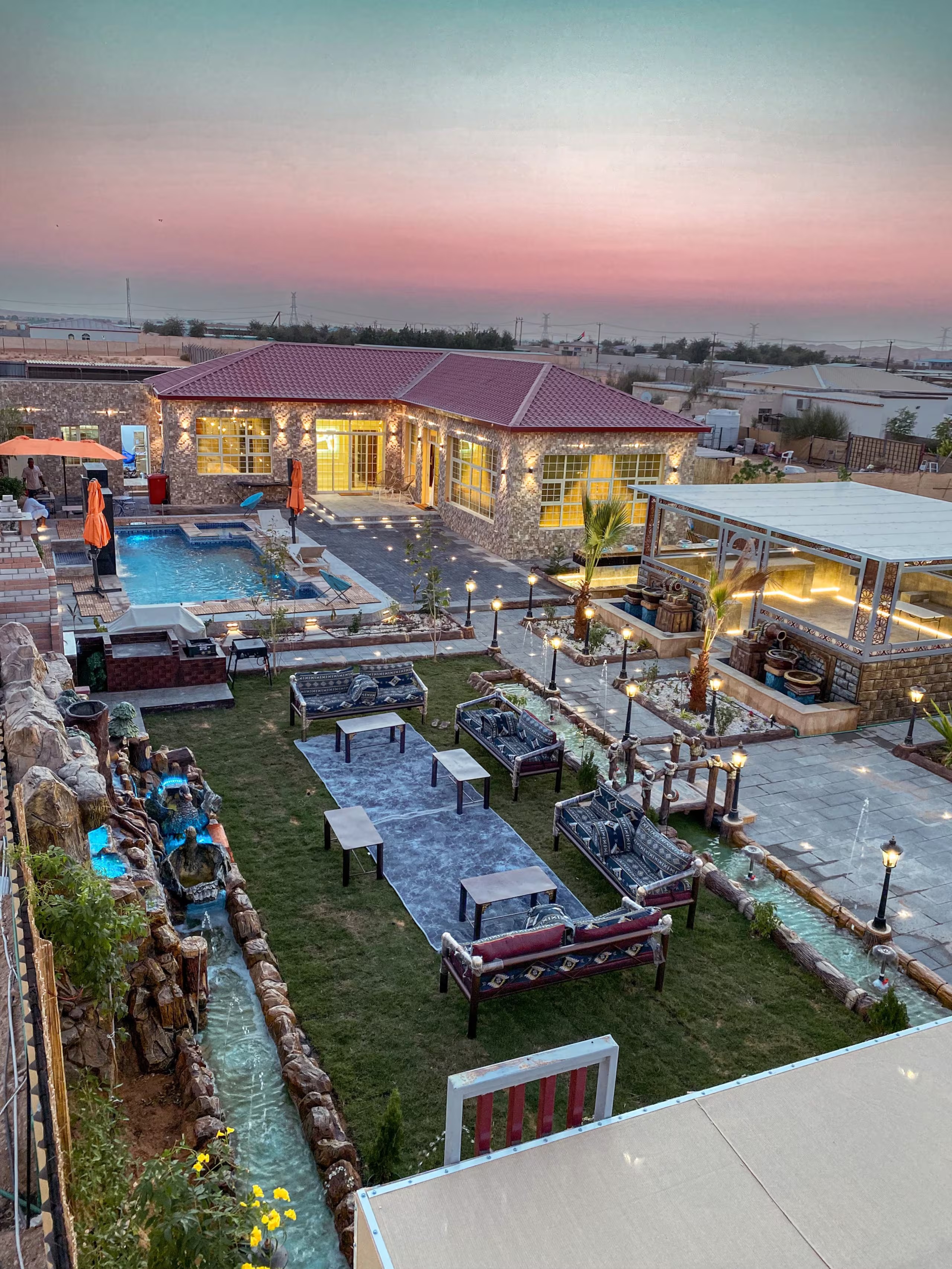



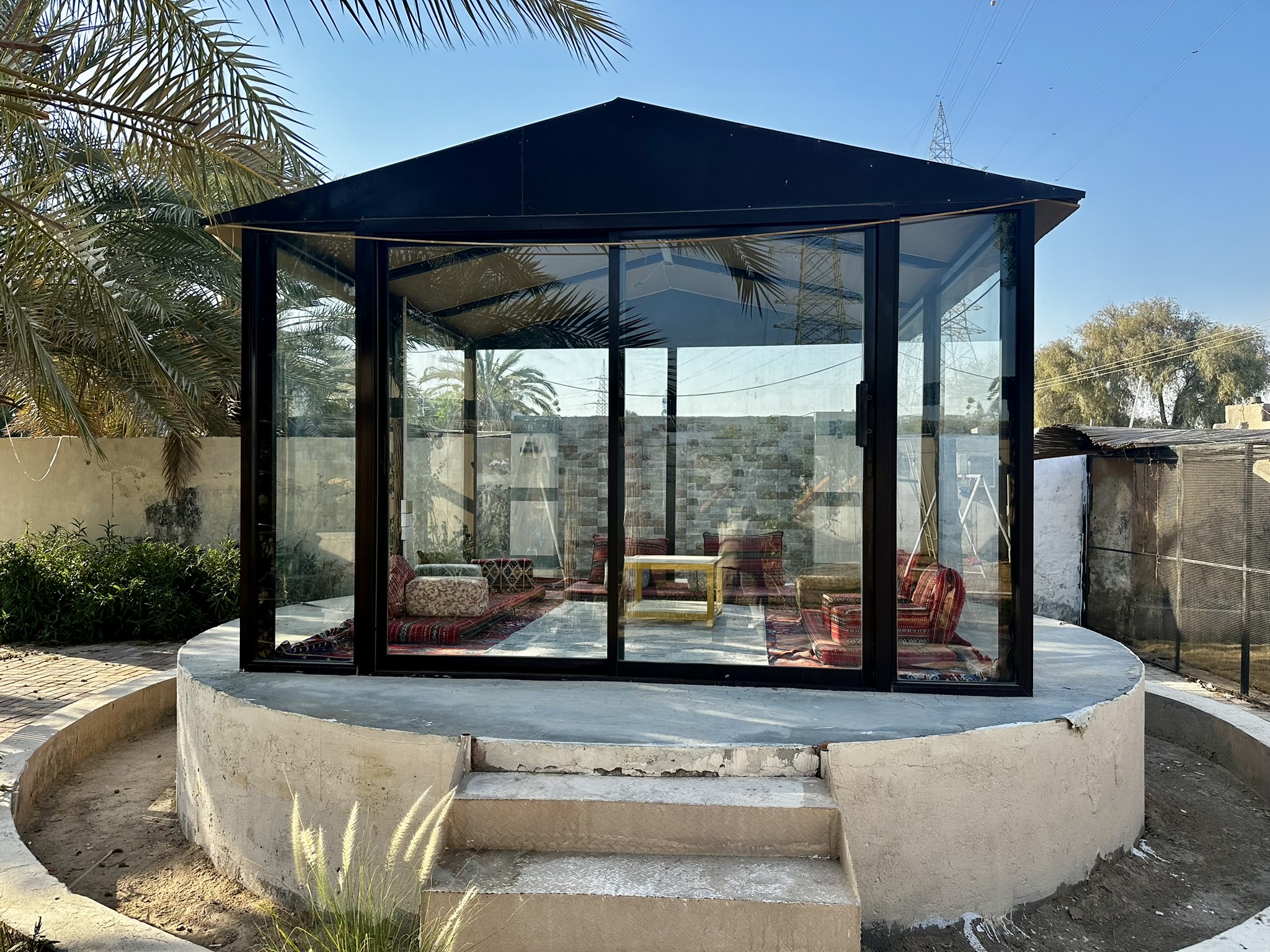
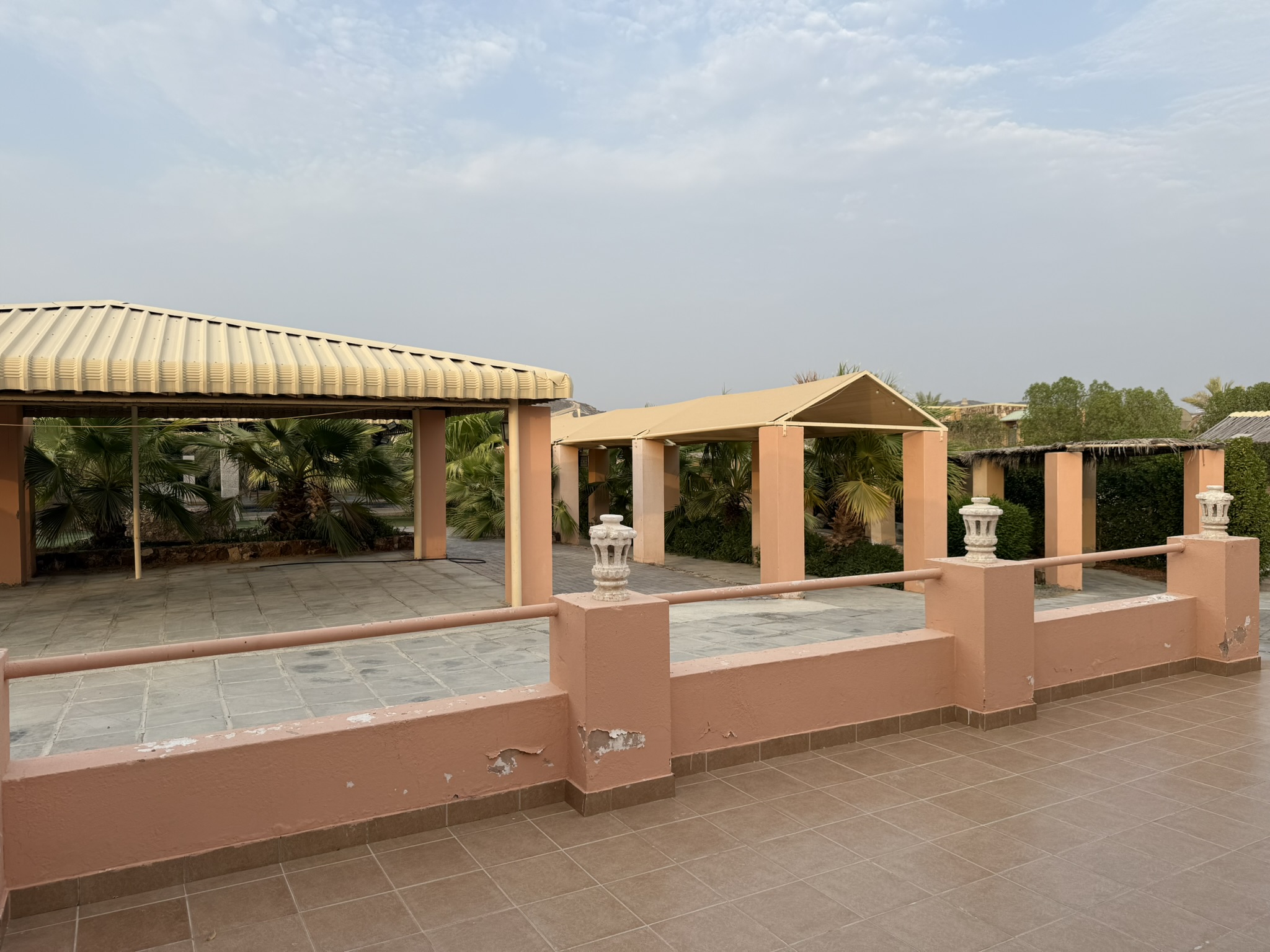
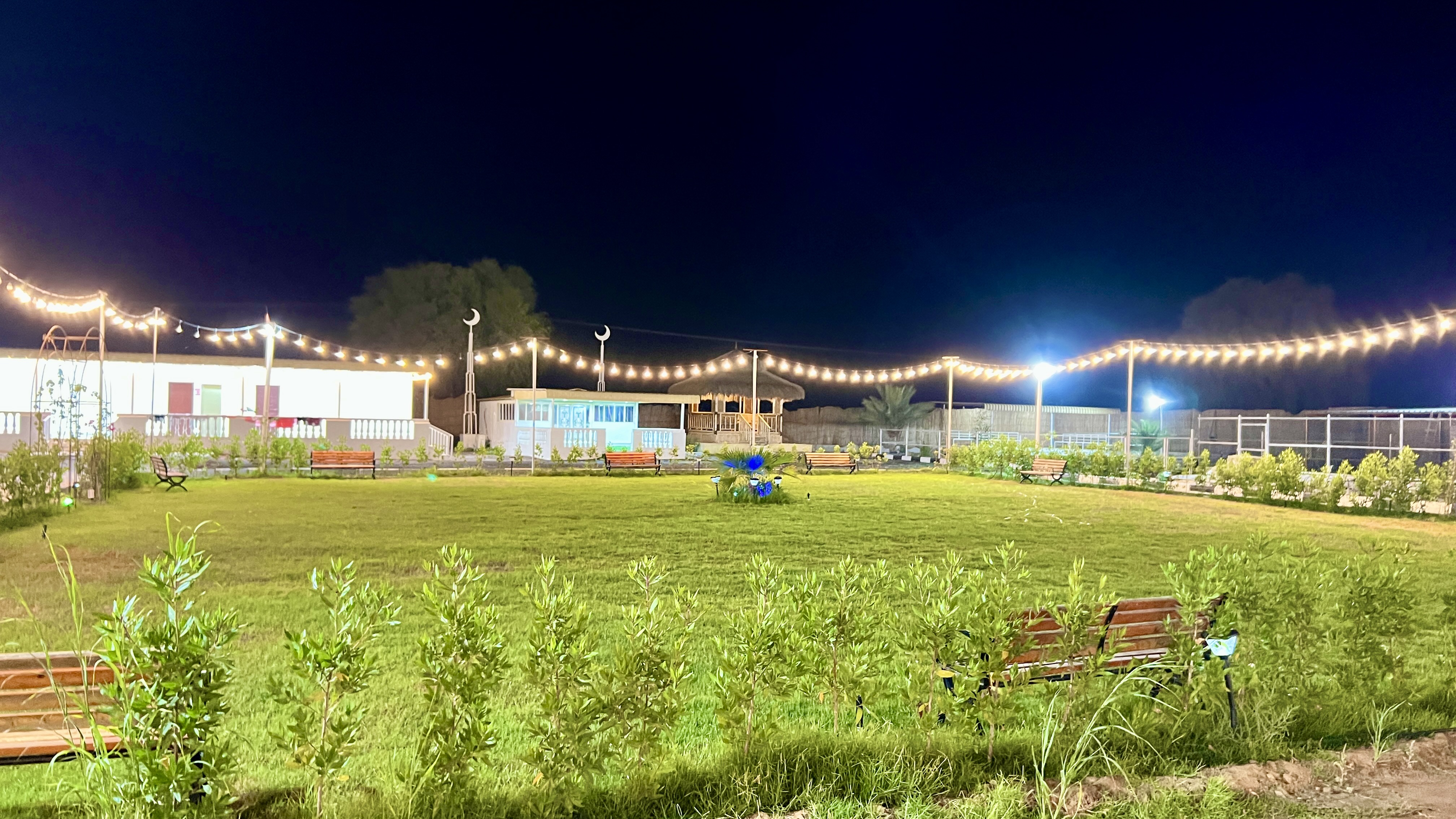
Book a UAE Farmhouse
Verified hosts, instant booking, AED pricing. From private-pool villas to group-size farmhouses across all 7 Emirates.
Browse Farmhouses →