



 Wenjoy Editorial Team
26 Nov 2026
Farmhouse
Holiday Home Registration Dubai
Holiday home registration in Dubai is the process of licensing your short-term rental with the Department of Economy and Tourism (DET). You create an account on the Holiday Homes portal, add your unit, upload documents, pass an inspection and pay the fees — receive a permit number that makes your listing legal. Most hosts finish in two to four weeks.
Follow the steps below in order and you will avoid the delays that trip up first-time hosts.
How do you confirm your building allows holiday homes? (Step 1)
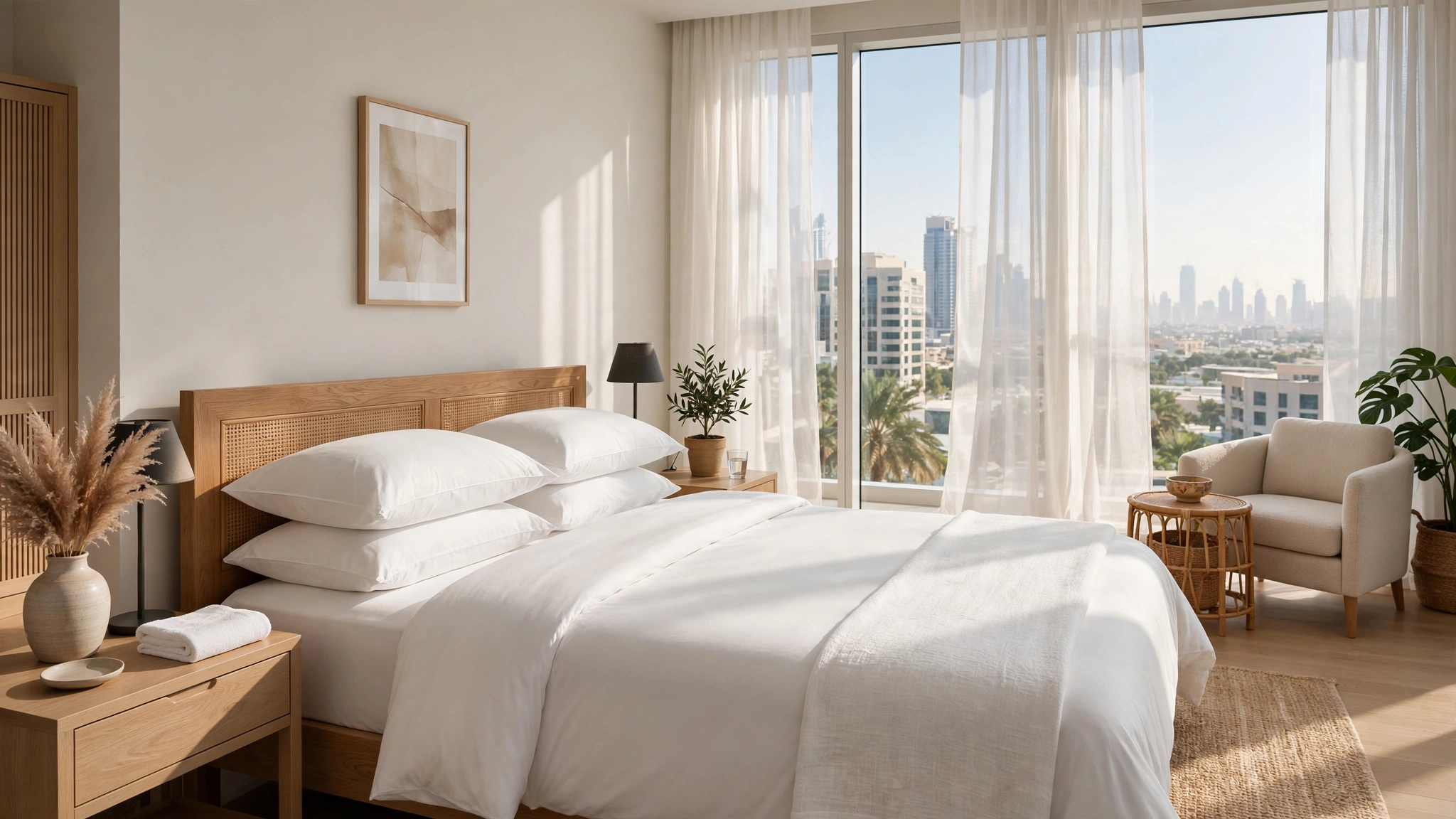
Before anything else, check that short-term letting is permitted in your building or community. Some Dubai buildings prohibit holiday homes, and no amount of paperwork overrides that. Contact your building management or owners' association and request a No Objection Certificate (NOC) — you will need this document for the application anyway.
Also worth a look: all verified holiday homes on Wenjoy.
This is the step that saves the most wasted effort. Hosts who skip it sometimes complete half the process only to discover their building opted out. If you are buying a property specifically to host, make holiday-home approval part of your purchase checklist, alongside location and yield. Many of the most successful short stay apartments in Dubai sit in buildings that actively welcome the model.
Which documents do you need to gather? (Step 2)
Registration is document-heavy, so assemble everything before you start. You will need:
- Proof of ownership or tenancy: title deed for owners; tenancy contract plus the landlord's written consent for tenants
- Identity documents: passport or Emirates ID of the owner or authorised signatory
- Utility proof: a recent DEWA bill for the unit, ideally at least three months old
- Property details: photographs of every room meeting the authority's quality guidelines, plus a floor plan
- Building approval: the NOC from building management
- Management letter: the Property Management Letter template from the portal, if someone else will operate the unit
- Trade license: only if you are registering as a company operator
Scan everything clearly. Blurry uploads are one of the most common reasons applications get bounced back for corrections.
Go further: explore holiday apartments in Dubai or browse Dubai penthouse stays.
How do you create your portal account? (Step 3)
Register on DET's Holiday Homes system as either a Home Owner or an Operator — this is the modern version of what longtime hosts still call DTCM registration. Home Owner suits individual owners managing their own unit; Operator suits companies or individuals running properties professionally, including on behalf of owners.
Account creation involves a one-off registration fee — confirm the current amount on the portal, as fee schedules are updated periodically. Keep your login details safe: this account is where you will manage renewals, updates and any future units for years to come.
See also: Dubai villa rentals and UAE staycation ideas.
How do you add your unit and upload documents? (Step 4)
Inside the portal, add the property: address, unit number, bedroom and bathroom count, built-up area, furnishing details and amenities. Upload the full document package from Step 2, then review the declaration carefully before submitting. Errors here — a wrong unit number, an outdated DEWA bill — are what stretch a two-week process into a two-month one.
DET reviews applications quickly; the authority states it aims to review submissions within one business day, though complex cases take longer. If documents are rejected, the portal tells you what to fix. Respond promptly and resubmit.
Keep exploring: farmhouse stays in the UAE · Wenjoy's travel blog.
How do you classify your unit? (Step 5)
Once the application is approved in principle, you classify the unit. Standard covers comfortable, well-kept properties; Deluxe is for genuinely high-end units with premium furnishings and standout amenities. The classification sets the Tourism Dirham your guests will pay: AED 10 per bedroom per night for Standard, AED 15 for Deluxe.
Classify honestly. The inspector who visits will see the unit in person, and the classification should match reality. Most first-time hosts start at Standard and upgrade only when the property clearly earns it.
For more context: Dubai penthouse stays and all verified holiday homes on Wenjoy.
How do you pass the inspection? (Step 6)
DET inspects the property to verify it meets safety and quality standards. The unit must be vacant during inspection, fully furnished, clean, with working utilities — and fitted with smoke detectors, a fire extinguisher and a first-aid kit.
Prepare like a guest is arriving. Test every appliance, replace dead batteries in detectors, make sure the AC runs cold, and present the unit at its best. If the inspector finds violations, you will receive a warning or penalty and typically have around two weeks to correct them. Hosts who treat the inspection as a quality audit — which is what it is — usually pass first time.
Related reading: UAE staycation ideas and holiday apartments in Dubai.
How do you pay and receive your permit? (Step 7)
With inspection passed, pay the permit fees online through the portal. Once your holiday home license is issued, display the number on every listing from day one. The annual unit fee starts at AED 370 (AED 300 per bedroom plus fixed classification, knowledge and innovation charges) and rises with bedroom count up to AED 1,200 per unit per year. Once payment clears, the permit is issued with your official permit number and a printable QR code.
Display the number on every listing — Airbnb, Booking.com, your own channels — and keep the QR code inside the property. From this moment, you are a legal host.
Go further: explore Wenjoy's travel blog or browse Dubai villa rentals.
How long does registration take?
Plan for two to four weeks from first login to permit in hand, assuming documents are correct and the inspection passes first time. The biggest variables are document corrections and inspection scheduling. Hosts who prepare thoroughly move through the permit process at the faster end of that range.
Do not list the property or accept bookings before the permit is issued. Airbnb requires the permit number to activate a Dubai listing, and hosting without it carries a AED 5,000 fine.
See also: all verified holiday homes on Wenjoy and farmhouse stays in the UAE.
What happens after registration?
Registration is the start, not the finish. Your permit lasts one year; renewal opens about 30 days before expiry and needs updated documents and a valid building NOC. Keep your portal details current — a changed phone number or expired ID can stall a renewal.
Ongoing compliance is light but real: collect the Tourism Dirham from every guest, keep the unit at inspection standard, and expect the occasional unannounced check. Treat these as routine and they will be.
Keep exploring: holiday apartments in Dubai · Dubai penthouse stays.
What should you do if your registration is rejected?
Rejection is rarely final — it is usually a correction request. The portal tells you which document failed and why: a blurry scan, an outdated DEWA bill, a missing landlord consent letter. Fix the specific issue and resubmit; most hosts clear it on the second attempt within days.
If the rejection concerns the property itself — say, the inspection flagged missing safety equipment — treat it as a punch list. Install what is missing, request a re-inspection, and keep photo evidence of every fix. Persistent problems are almost always traceable to one of two roots: the building does not actually allow holiday homes, or the unit is not genuinely ready for guests. Both are fixable with honesty early. While you wait, you can study how successful Dubai short stay apartments present their listings, so your property launches strong the moment the permit lands — and browse Wenjoy's host resources for more guidance.
Which registration mistakes delay new hosts?
- Starting the application before securing the building NOC
- Uploading blurry or outdated documents
- Applying as the wrong category (owner vs operator)
- Listing the property before the permit is issued
- Forgetting the landlord's written consent when registering as a tenant
- Letting the permit lapse because no renewal reminder was set
Also worth a look: Dubai villa rentals.
Avoid these six and registration is smooth. The standard host Dubai journey runs from documents to inspection to permit to first guest — follow it in order. Once your permit is active, you can welcome guests with full confidence — and list your property where verified hosts earn more. Register your Dubai holiday home on Wenjoy and start taking direct bookings with no guest service fees.
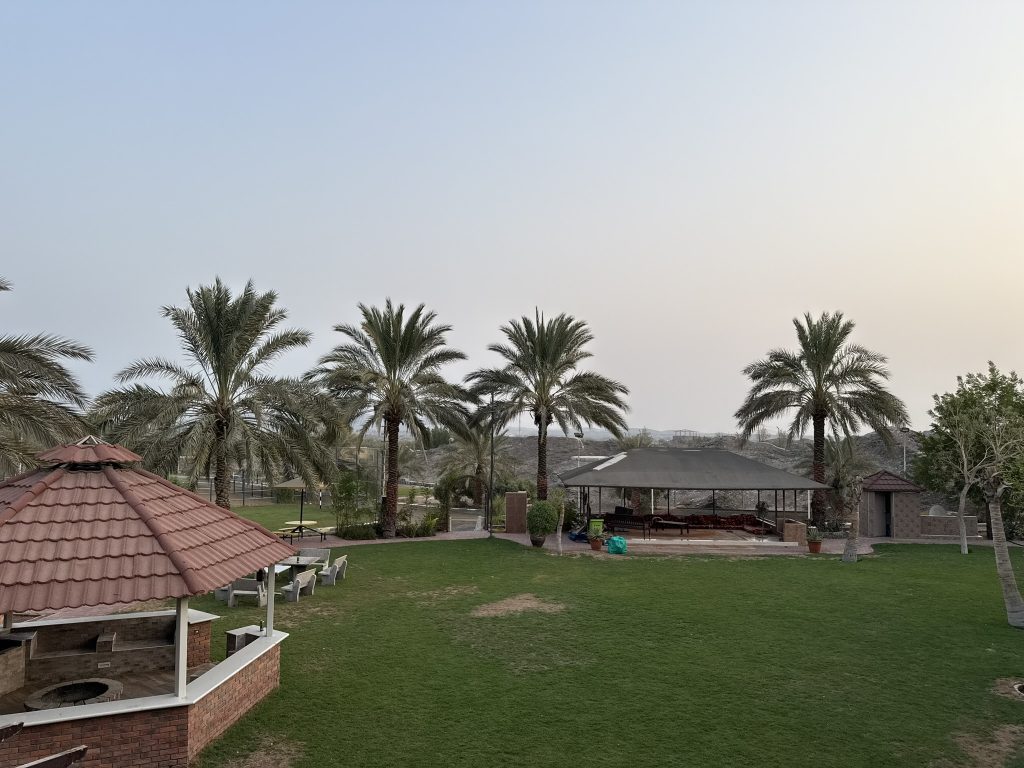
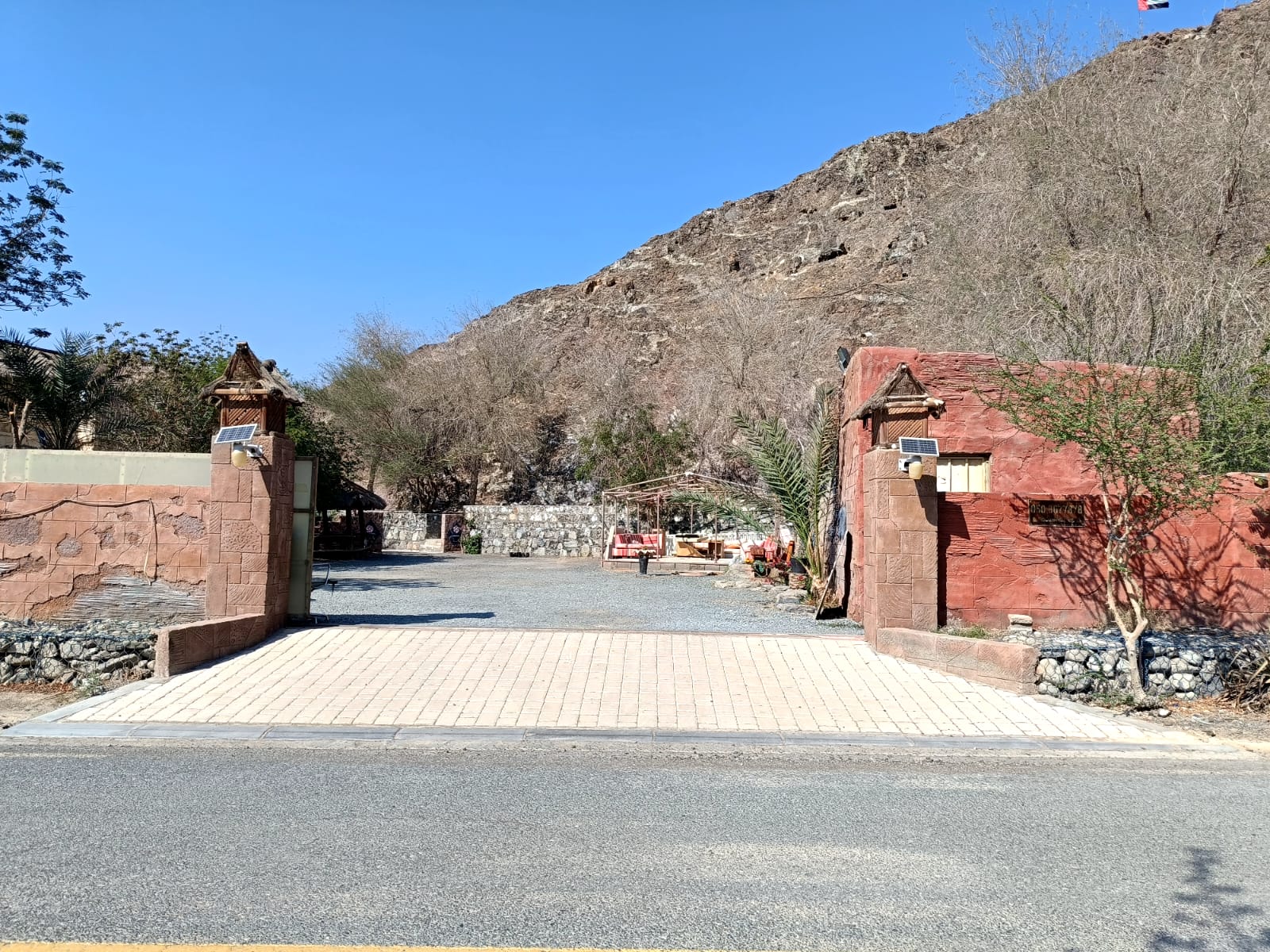
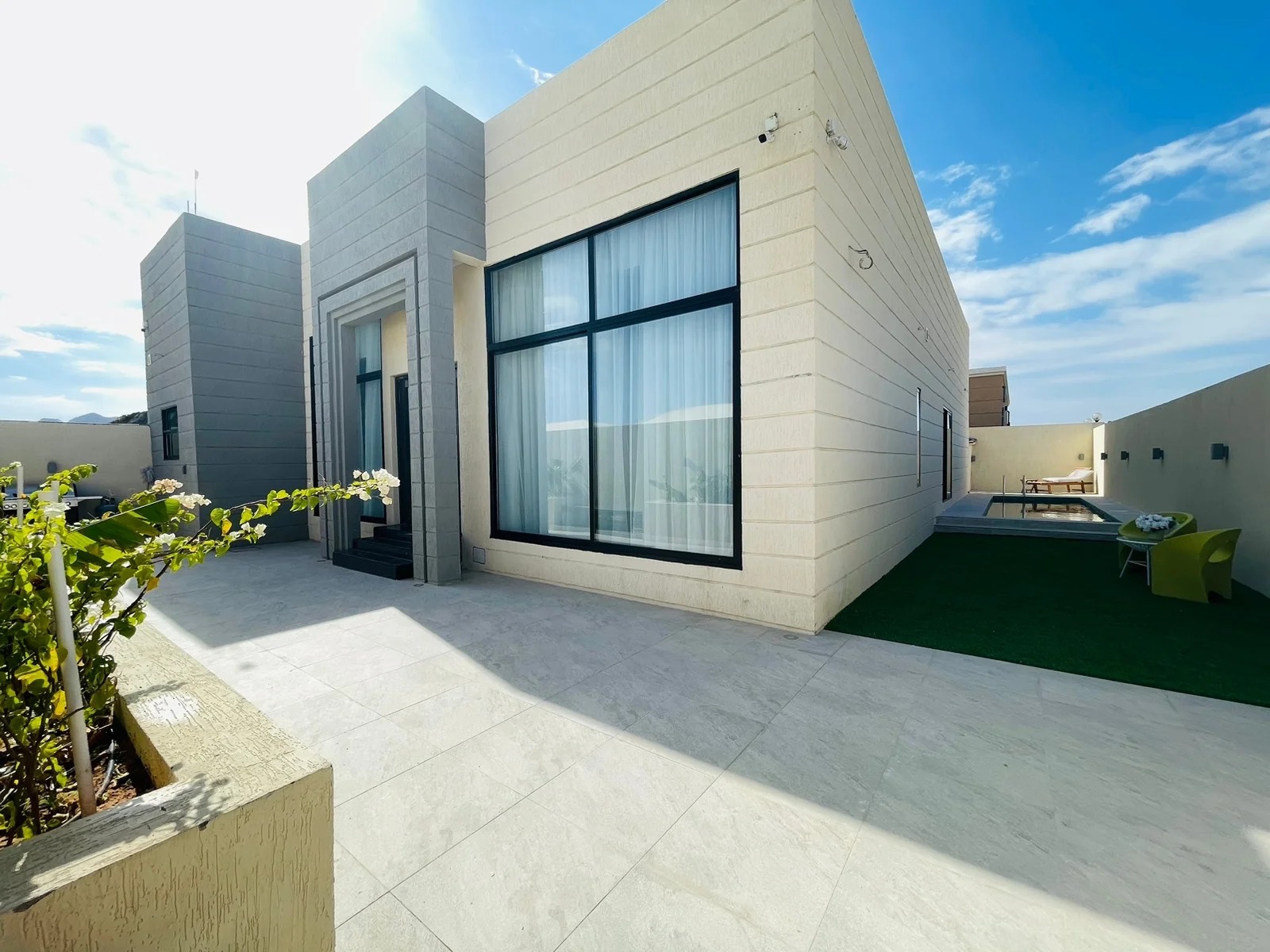
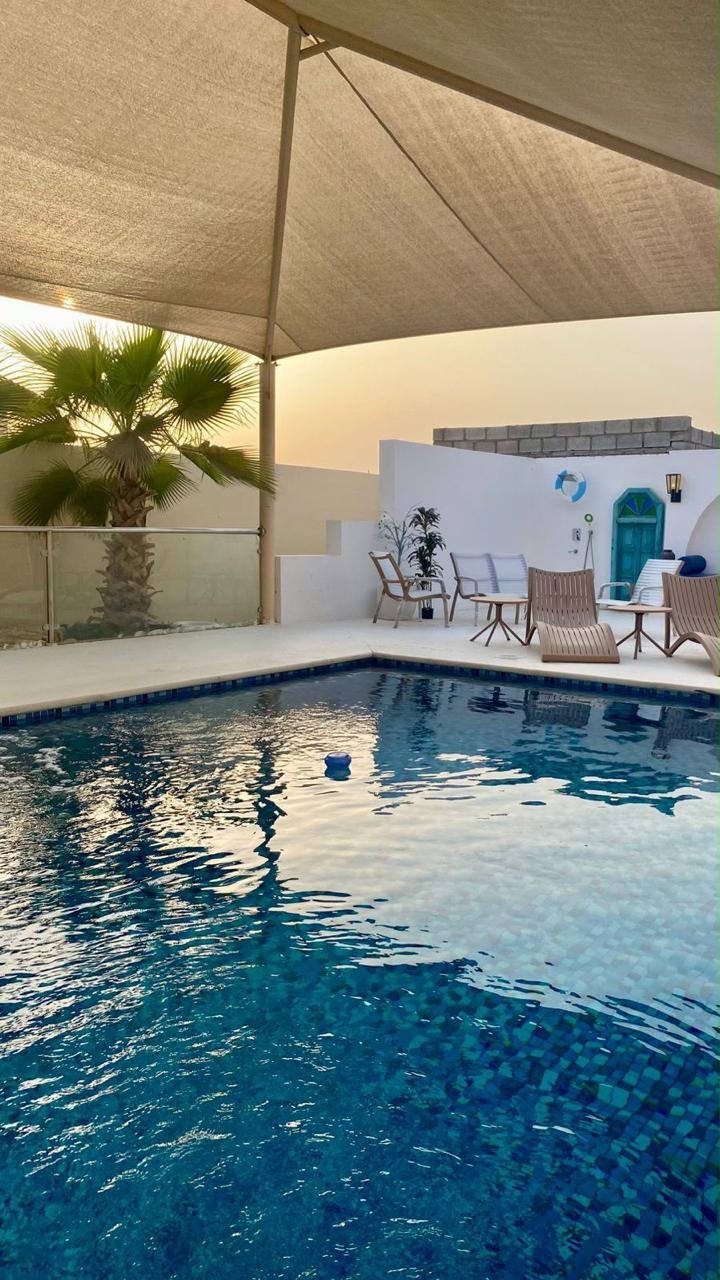
Farmhouses to book in Dubai
Verified private stays on Wenjoy — live prices, book online or send an inquiry.
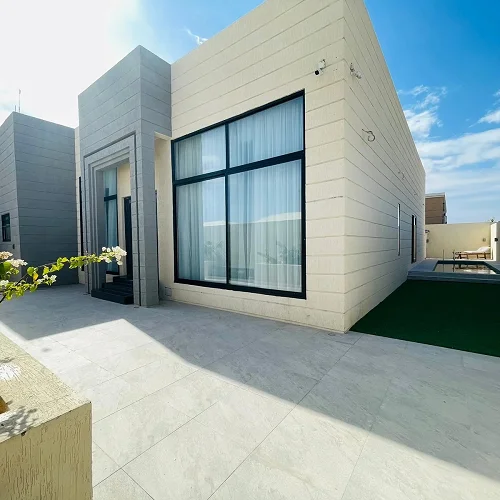
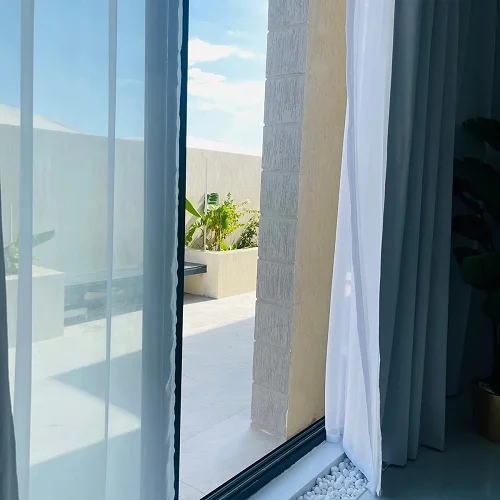
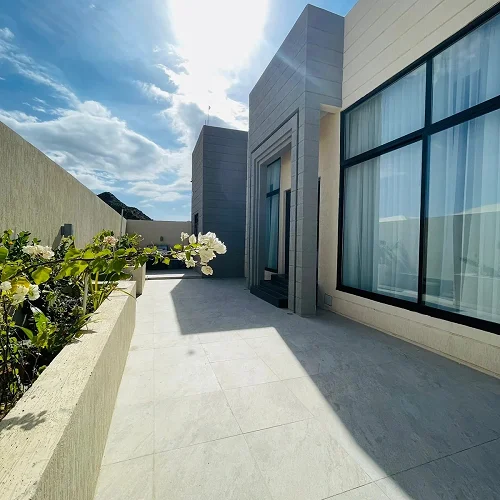
Luxury Villa, with a Private Pool
Hatta, Dubai, UAE

4Bedroom

4Bed

5Bath
Luxury Villa, with a Private Pool
4 Bedrooms
4 Beds
5 Baths
15 Guests
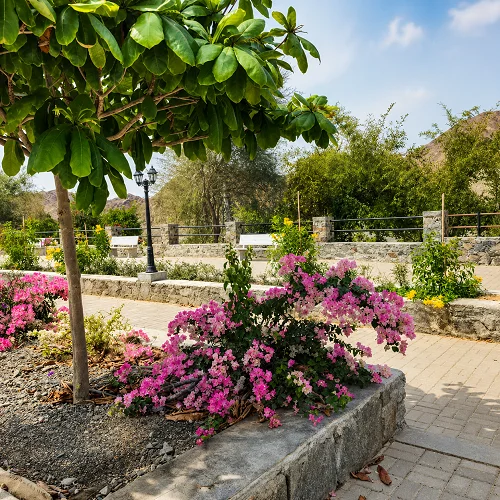
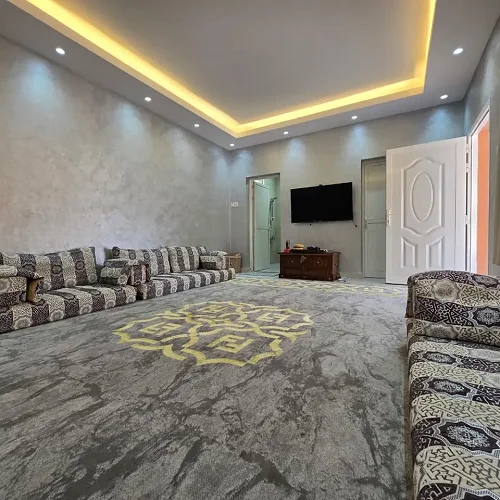
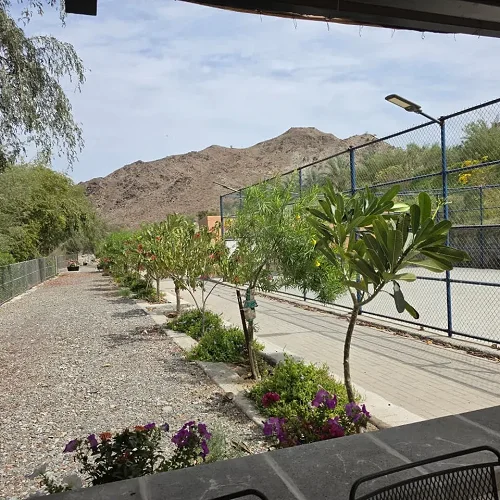
Ultimate Family Adventure Farm
Hatta, Dubai, UAE
5Bedroom
9Bed
5Bath
Ultimate Family Adventure Farm
5 Bedrooms
9 Beds
5 Baths
25 Guests
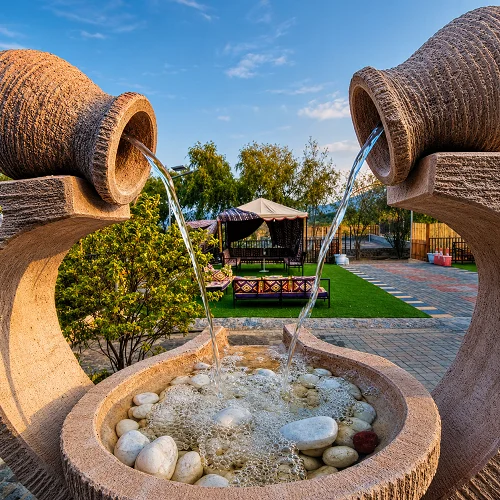
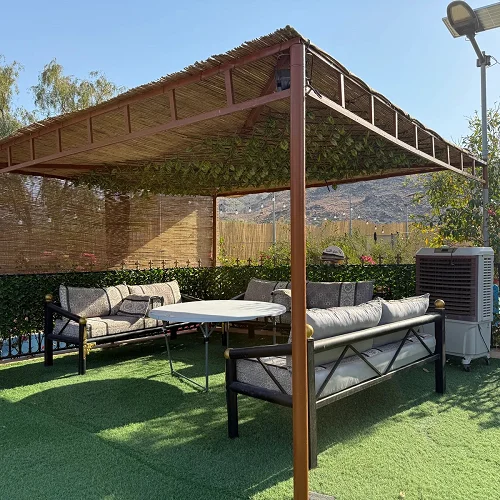
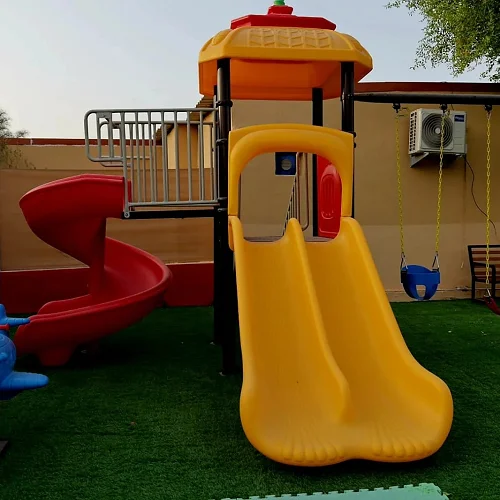
Luxury Farmhouse With Football Ground
Hatta, Dubai, UAE
4Bedroom
12Bed
4Bath
Luxury Farmhouse With Football Ground
4 Bedrooms
12 Beds
4 Baths
35 Guests

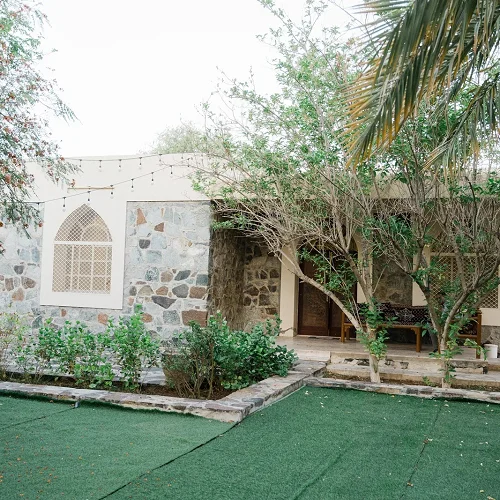
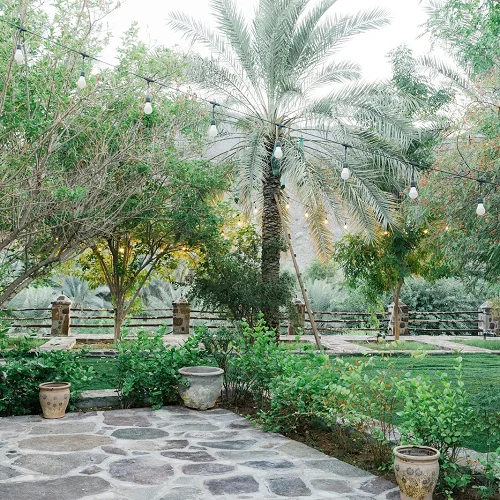
Hillside Farmhouse With Grand Majlis
Hatta, Dubai, UAE
3Bedroom
7Bed
4Bath
Hillside Farmhouse With Grand Majlis
3 Bedrooms
7 Beds
4 Baths
25 Guests


Search
Recent Posts

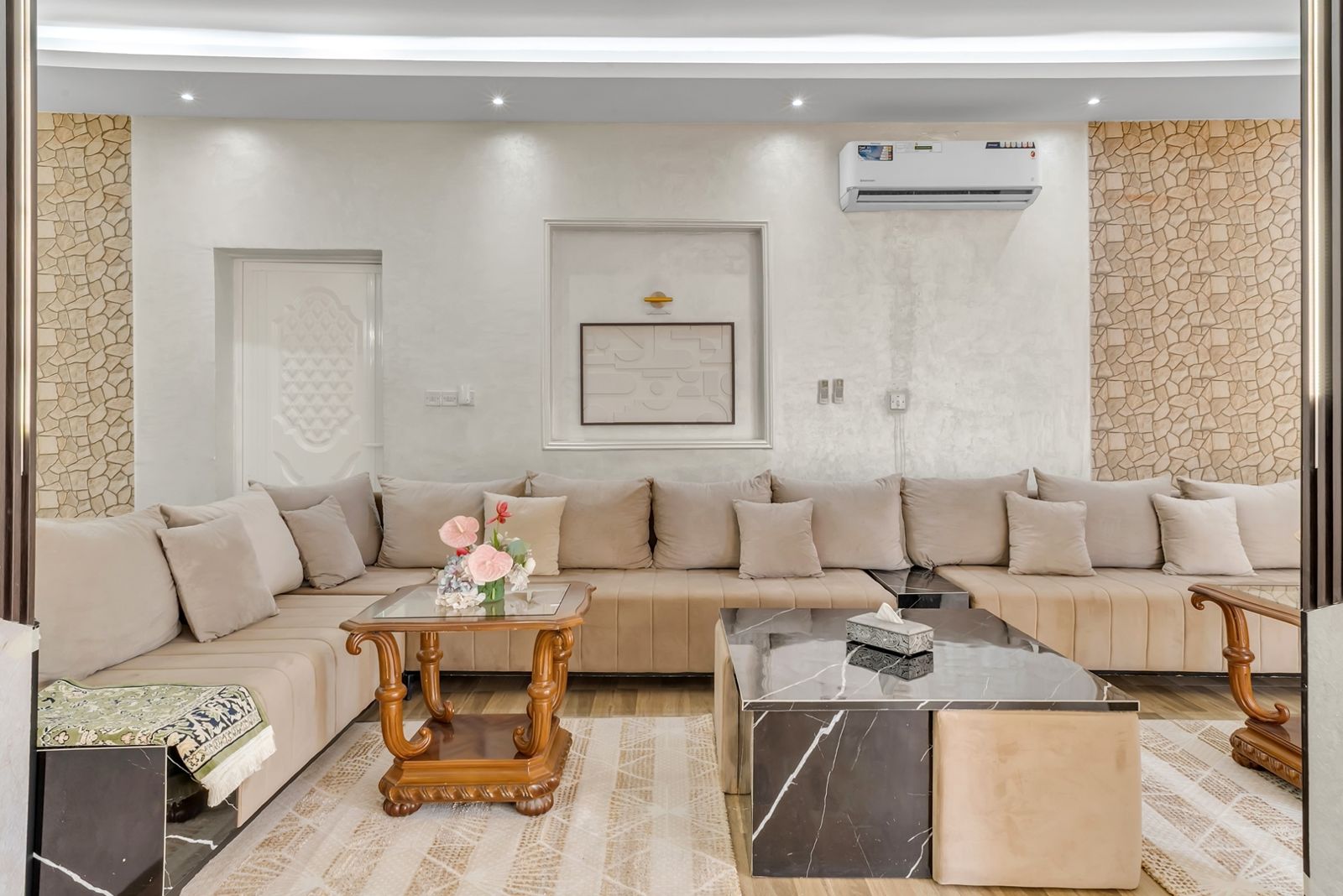
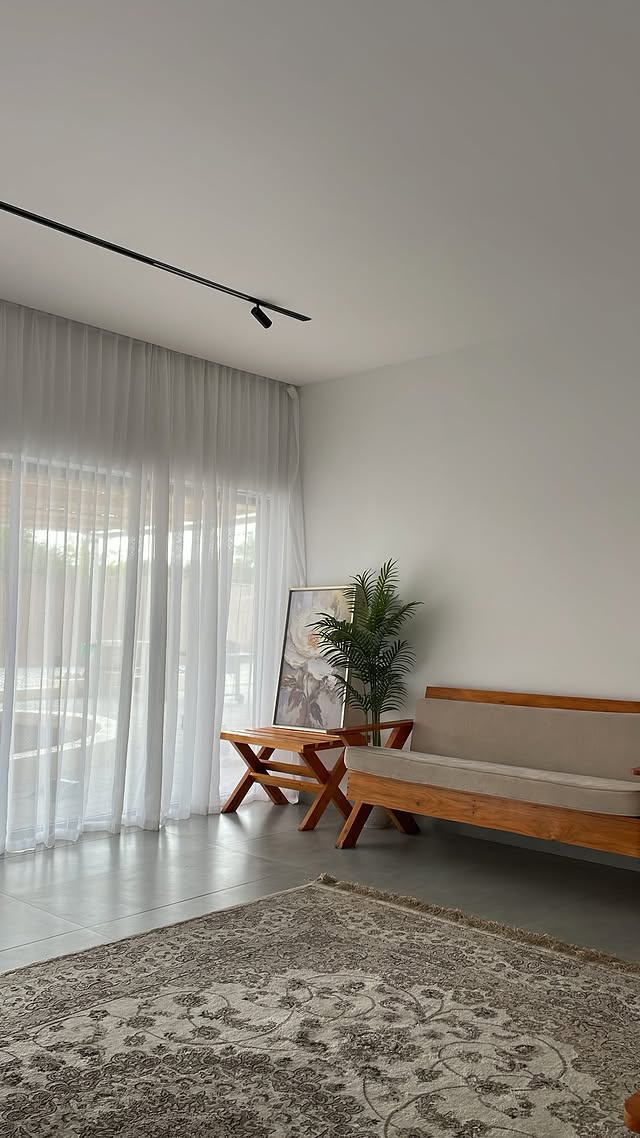
Top Farmhouse Stays
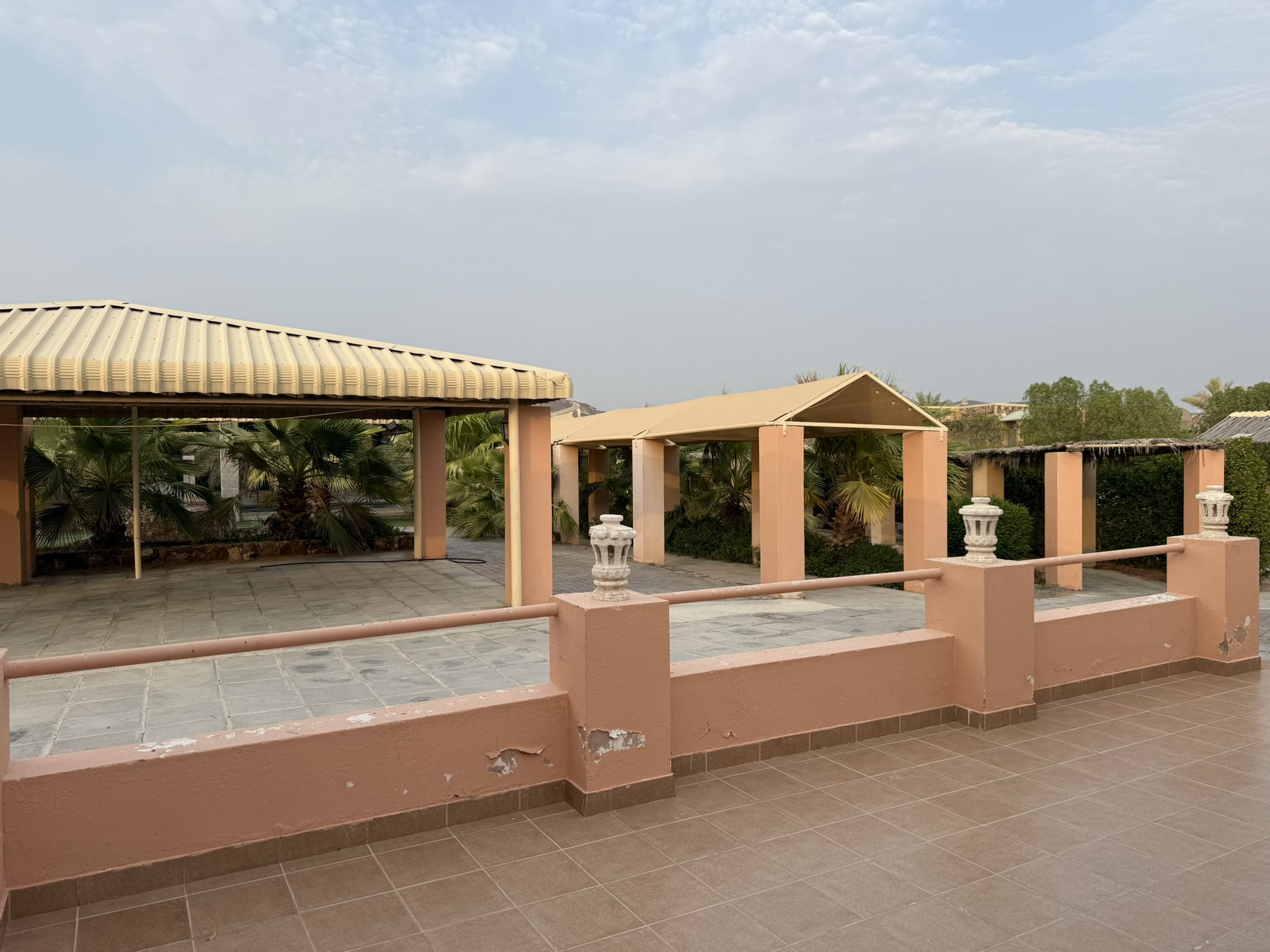
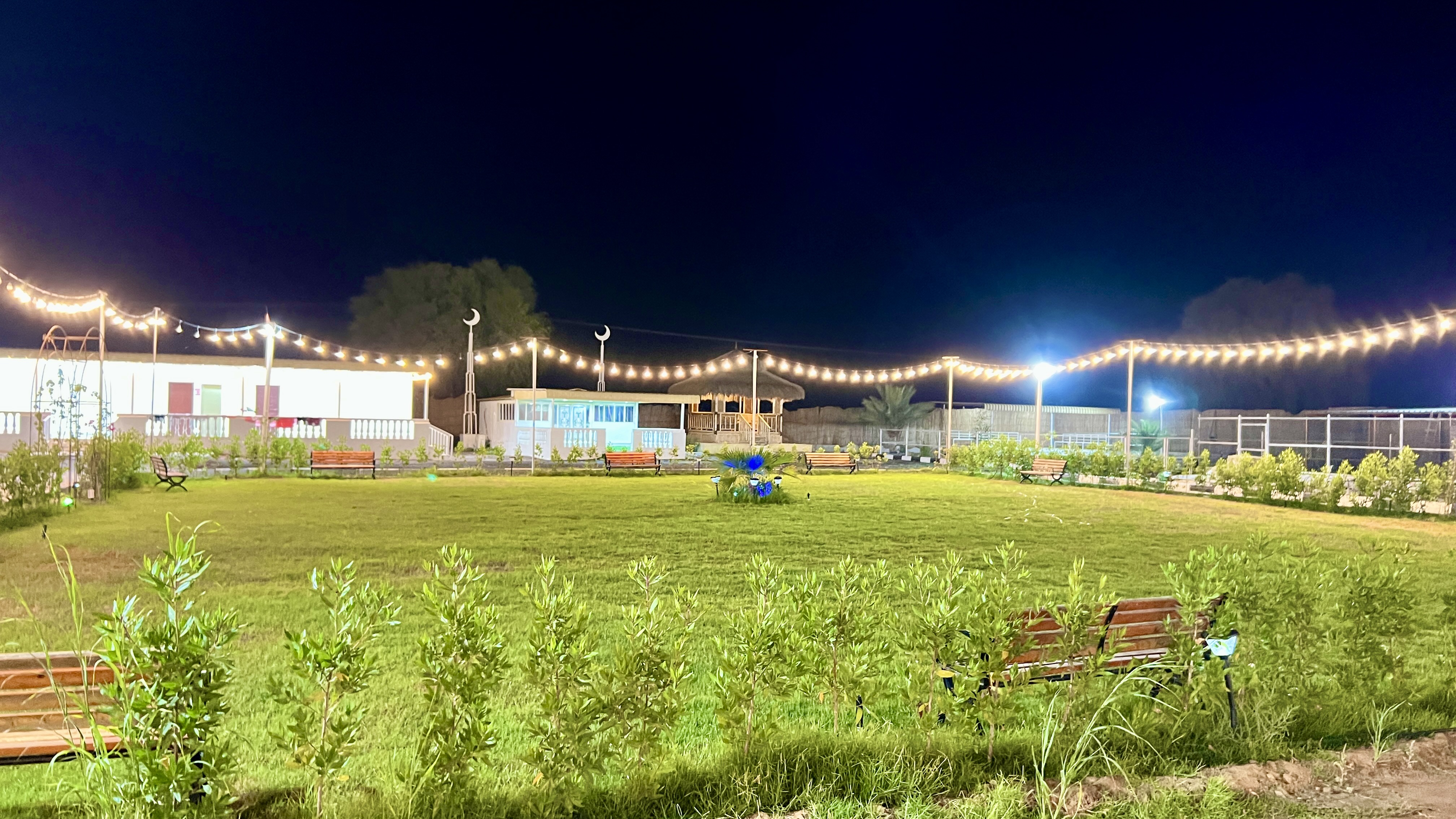



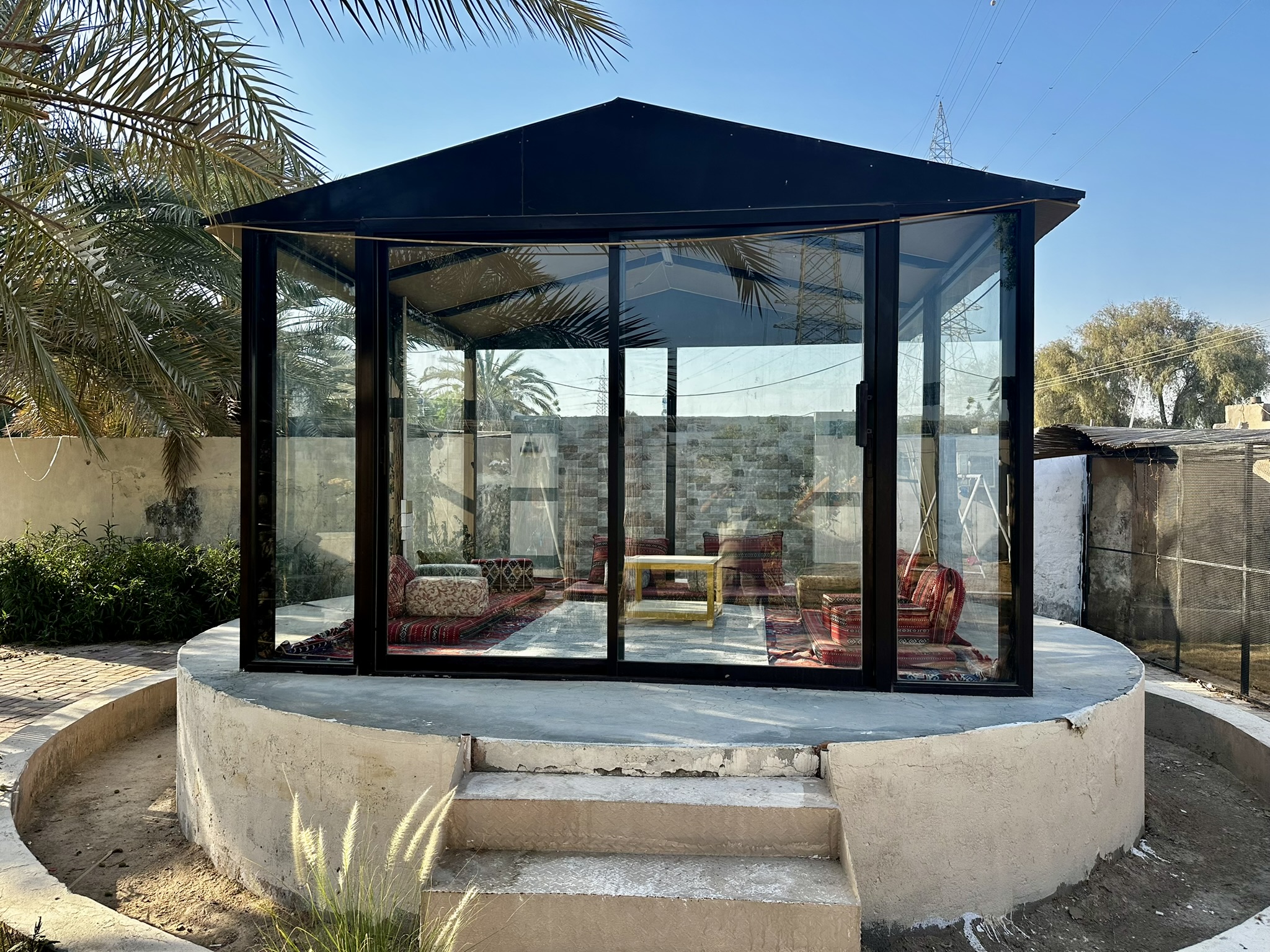
Book a UAE Farmhouse
Verified hosts, clear AED pricing, local support. From private-pool villas to group-size farmhouses across all 7 Emirates.
Browse Farmhouses →