


 Wenjoy Editorial
14 Nov 2026
Farmhouse
ID and Check-In Rules for Villa Rentals in the UAE: What
The short answer — yes, expect to show ID at a UAE holiday home
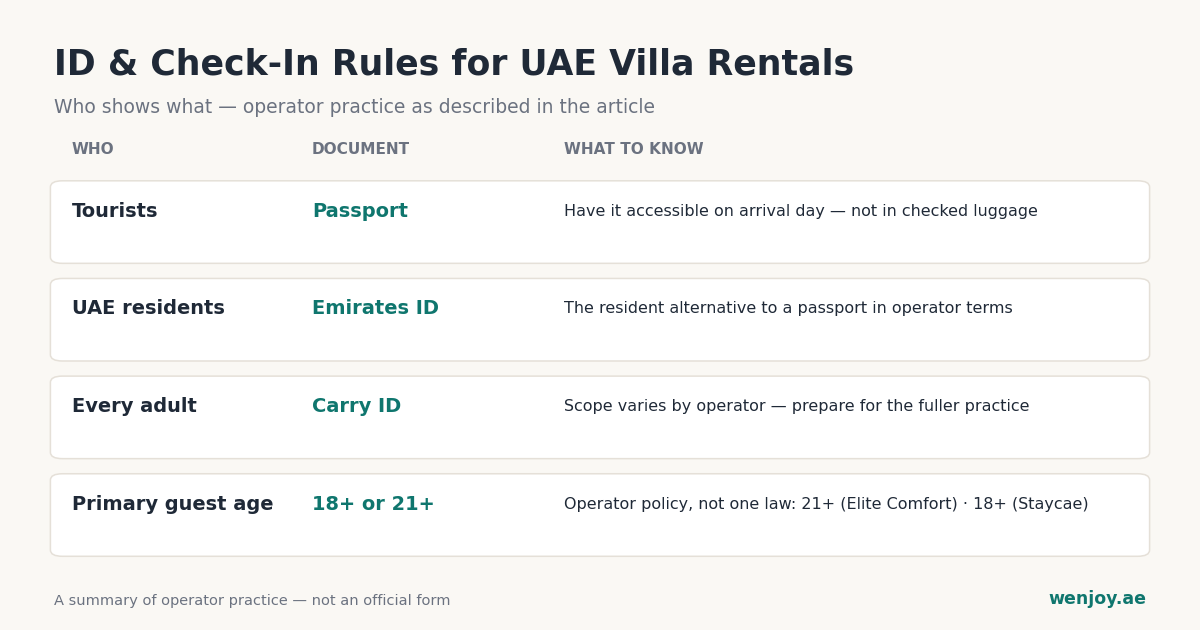
Yes — expect to show ID when you check in to a UAE holiday home or farmhouse. In the sourced operator practice, tourists show a passport and residents show an Emirates ID. The request comes from the holiday-home licensing and guest-registration framework. Details that vary — whose ID is collected and the primary guest's minimum age — are set at operator level, so check your booking confirmation.
Keep one distinction in mind and most of the confusion disappears: there is a licensing framework, and then there is each operator's own practice inside it. Guests hear two opposite claims — "every guest's ID is required by law everywhere" and "only the booker ever needs ID." Neither holds up as a universal rule. What is consistent is simpler: licensed operators ask for ID, in Dubai they link that request to the Department of Economy and Tourism (DET) framework, and their terms differ on scope and age. Preparing for the stricter practice costs nothing and prevents an arrival-day problem.
This guide covers documents for check-in only — no visa or immigration advice.
Why ID is collected — guest registration under the licensing framework
Dubai holiday homes operate as a licensed activity under DET, explained in full in the licensing system guide planned alongside this article. Guest registration is one of the duties that sits inside that system: the operator needs to know, and be able to evidence, who is staying in a licensed unit on a given night.
Operator terms make the link explicit: Elite Comfort Dubai states guest ID — passport or Emirates ID — is required by DET. The request is the operator working inside a registration framework, not a host being difficult.
Two limits are worth knowing before you arrive. No universal retention period, fine, or single UAE-wide form applies across the operators covered here — if how long a copy is kept matters to you, ask your operator directly.
Abu Dhabi is different, and it should not be folded into the Dubai picture. The Abu Dhabi Department of Culture and Tourism (DCT Abu Dhabi) guideline material lists what guest terms and conditions should contain, but it does not mention guest ID in the same way. So do not read Dubai's DET framework across to an Abu Dhabi stay: your booking confirmation and the operator's own terms are the authority there, and if the documents are unclear, ask before you travel.
Tourists vs residents — what to prepare
For a tourist, the document is the passport — the identity document operator terms name for non-residents. Have it accessible on arrival day: not packed at the bottom of a checked bag, and not left with another member of the party who is arriving on a later flight. If the operator asks for a copy in advance through the booking channel, it is for the same registration purpose.
For a UAE resident, the document is the Emirates ID, presented in operator terms as the resident alternative to a passport. If your booking confirmation names a preferred document, follow it; otherwise carry the Emirates ID, as residents do in daily life.
Mixed groups need the most care — a resident booker travelling with tourist guests, or the reverse. Prepare both document types across the party and have every adult's document available at check-in. That works whichever scope practice your operator follows, and it avoids the classic arrival friction: one guest's document travelling with someone who has not yet arrived.
Arrival-day checklist
- Tourists: passport, accessible — not in checked luggage
- Residents: Emirates ID
- Every adult: document carried, in case it is asked for
- Primary guest: age checked against that operator's terms (see below)
- Booking confirmation: read for its ID line before you travel; if it is silent on scope, ask the operator
Whose ID? The scope question, answered honestly
This is the question guests ask most — and there is no single settled answer, so be wary of anyone who gives you one as law.
Whether registration requires ID for every staying guest or only for the primary guest is not settled as a universal rule, and operators run the arrival step differently. Treat claims in either direction — "only the booker needs ID, by law" or "every guest is registered, by law" — as unproven.
The practical answer is to prepare for the fuller practice: carry ID for every adult in the party and expect that any adult may be asked to show it. If your operator registers only the primary guest, you have lost nothing. If they ask for more, arrival stays a two-minute step instead of a problem.
If your confirmation states whose ID is required, that governs your stay. If it is silent, ask the operator before travel: "Whose ID do you need — primary guest only, or all adults?"
The primary guest's age — 18+ vs 21+ is operator policy
The second variation guests meet is the minimum age of the primary guest — the named booker who takes responsibility for the stay. Operator terms genuinely differ here, and that difference is the accurate picture.
Elite Comfort Dubai's terms set the primary guest at 21+. Staycae, in its policy blocks carried on Trip.com, sets the main guest at 18+. Both are named, checkable operator positions. Neither can be presented as "the UAE rule," because the other exists. No fetched official source in the research set establishes a single age threshold that overrides both.
Treat age, therefore, as a per-operator booking condition to check before you pay — exactly as you would check a deposit amount or a check-in time on a specific listing. A party whose lead guest is 19 or 20 will find operators who can accept the booking and operators who cannot, and discovering that after payment helps nobody. If the lead guest's age is anywhere near the threshold, confirm it in writing through the booking channel before the stay, and keep the confirmation with your other arrival documents.
The threshold applies to the primary guest only — other guests' ages are a matter for the listing's own rules.
Your documents, handled carefully
Showing ID at check-in is normal; sending copies casually is a different decision, and guests are entitled to handle it carefully without treating a legitimate registration request as suspicious.
A legitimate operator asks for ID through the booking channel or at arrival, and can explain why. Keep document exchange inside your booking channel where you can — the discipline in the how to book holiday homes guide and the verify-a-listing checklist applies here too — and query any request you cannot connect to your booking before sending anything.
If an illustration helps: a complete listing page, such as the Farm Stay in Nature Views in Ras Al Khaimah, shows the rules, capacities and prices a guest should read before arrival. It is used here strictly as an example of a complete listing to read — not as an example of any ID policy, which is a matter for your own booking confirmation. The general site terms are at Wenjoy's terms and conditions and common questions at the FAQ; for anything those do not answer about your documents, use Wenjoy's contact page or your operator's channel before you travel.
None of this needs to be complicated. Passport for tourists, Emirates ID for residents, every adult's document carried, the primary guest's age checked against that operator's terms, and the confirmation read for its ID line. Do that, and check-in is what it should be — a formality on the way to the pool.
Frequently Asked Questions
Do I need ID to check in to a UAE holiday home? Yes, expect to. In sourced operator practice, guest ID is required at check-in — passport for tourists, Emirates ID for residents — and operators attribute the requirement to the licensing and guest-registration framework (in Dubai, DET). Check your booking confirmation for your operator's exact wording.
What ID do tourists need at a Dubai holiday home check-in? A passport. Operator terms consistently name the passport as the tourist document. Have it accessible on arrival — not in checked luggage — and be ready for the operator to take a copy for registration.
Can UAE residents use an Emirates ID instead of a passport? Yes. Operator terms present the Emirates ID as the resident document, in place of a passport. Carry it to check-in as you would to any official transaction in the UAE.
Does every guest need ID, or only the person who booked? The fetched sources do not establish a single universal scope, and operator practice varies — this guide does not present an all-guests rule as law. The safe preparation is to carry ID for every adult and expect any adult may be asked. If your confirmation states the scope, that statement governs your stay.
How old must the primary guest be to book a holiday home in the UAE? It varies by operator: sourced terms show both 21+ (Elite Comfort Dubai) and 18+ (Staycae) for the primary/main guest. There is no single threshold established in the fetched sources — check the specific operator's terms before booking if the lead guest is under 21.
Why does the host ask for a copy of my passport? For guest registration under the holiday-home licensing framework — the operator needs to evidence who is staying in the licensed unit. A legitimate operator can explain this and will ask through the booking channel or at arrival. If a request sits outside your booking channel and cannot be connected to your booking, query it before sending anything.
Farmhouses you can book now
Verified private stays on Wenjoy — live prices, book online or send an inquiry.


Private Room | Bamboo Farmhouse Stay w/ Pool & Farm Amenities
Al Dhait, Ras Al Khaimah, UAE

1Bedroom

4Bed

1Bath
Private Room | Bamboo Farmhouse Stay w/ Pool & Farm Amenities
1 Bedroom
4 Beds
1 Bath
4 Guests

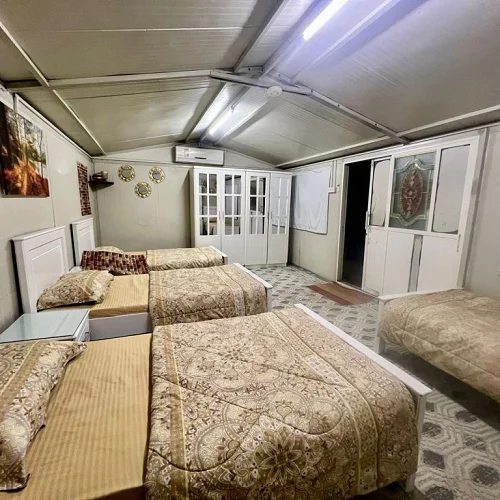

Private Room | Swimming Pool & Farmhouse Experience in RAK
Wadi Shah, Ras Al Khaimah, UAE
1Bedroom
4Bed
1Bath
Private Room | Swimming Pool & Farmhouse Experience in RAK
1 Bedroom
4 Beds
1 Bath
4 Guests
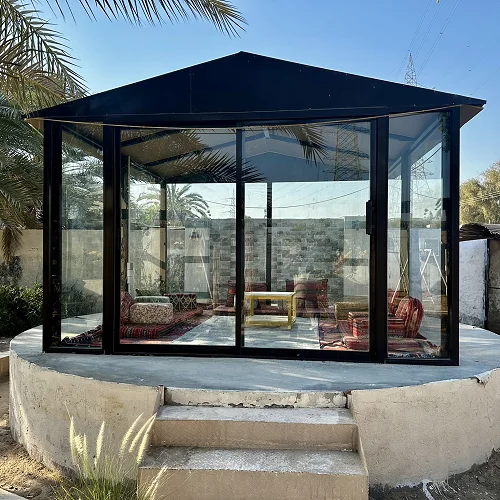

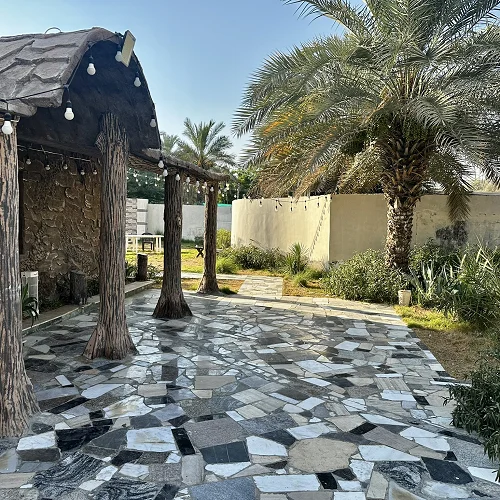
Farm Stay in Nature Views
Muwailha, Ras Al Khaimah, UAE
4Bedroom
11Bed
3Bath
Farm Stay in Nature Views
4 Bedrooms
11 Beds
3 Baths
15 Guests

Mountain View Farm Stay with Covered Pool
Wadi Shah, Ras Al Khaimah, UAE
4Bedroom
4Bed
4Bath
Mountain View Farm Stay with Covered Pool
4 Bedrooms
4 Beds
4 Baths
16 Guests


Search
Recent Posts



Top Farmhouse Stays








Book a UAE Farmhouse
Verified hosts, clear AED pricing, local support. From private-pool villas to group-size farmhouses across all 7 Emirates.
Browse Farmhouses →