


 Wenjoy
23 Jun 2026
Staycations
Wenjoy
23 Jun 2026
Staycations
Top Attractions in Ras Al Khaimah: The Complete Guide
Ras Al Khaimah packs the UAE's highest mountain, a Guinness-record zipline, 7,000 years of heritage and 64 kilometres of coastline into one emirate, an hour from Dubai. Ride the world's longest zipline in the morning, explore a 16th-century fort after lunch, and watch sunset over Al Marjan Island.
Why is Ras Al Khaimah worth the trip from Dubai?
The numbers tell the story. Ras Al Khaimah welcomed a record 1.28 million overnight visitors in 2024, with tourism revenues up 12% and a stated goal of more than 3.5 million annual visitors by 2030. That investment shows in the infrastructure: the Jebel Jais mountain road is a smooth 30-kilometre scenic drive, the viewing decks are built for visitors, and new resorts keep opening along the coast.
Practically, RAK is the easiest "different world" escape in the UAE. From Dubai it is roughly 110 kilometres up the E311 — 60 to 75 minutes to RAK city, and about 40 minutes more up to the Jebel Jais summit. Plan your timing with our UAE outdoor season guide, and if you want the property to be part of the adventure, browse farmhouse stays in Ras Al Khaimah near the mountains.
What are the best mountain attractions in RAK?
Jebel Jais — the UAE's highest peak.
At 1,934 metres, Jebel Jais is the highest point in the UAE and the centrepiece of the Hajar Mountains. Temperatures at the top run several degrees cooler than the coast, which is why the mountain is packed on winter weekends. The viewing deck park's seven terraces come with powerful binoculars for views across the Hajar range to the Arabian Gulf.
Jebel Jais Flight — the world's longest zipline.
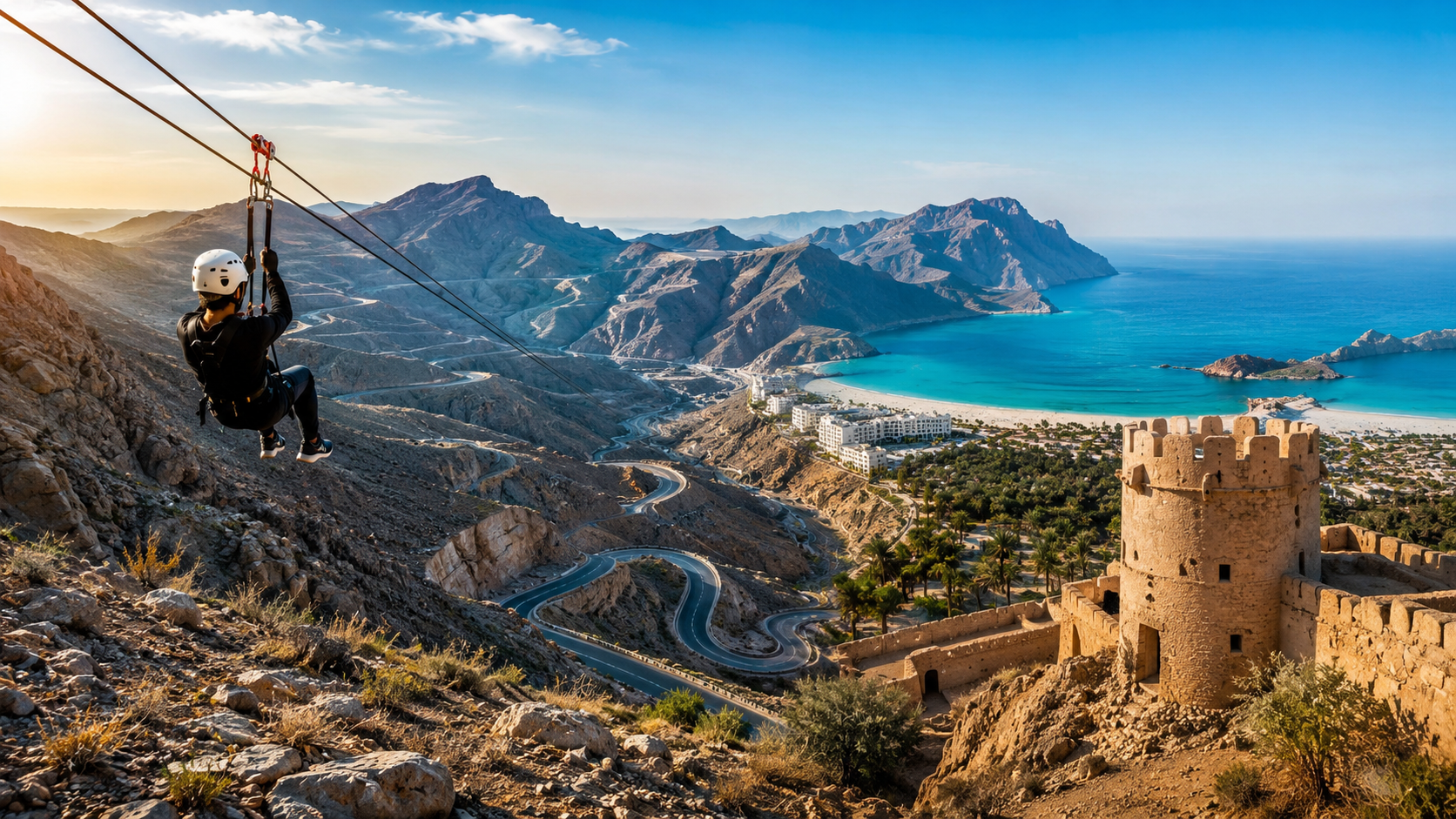
The headline act: a Guinness World Records-certified 2.83-kilometre zipline that launches you face-down from 1,680 metres above sea level at speeds of up to 160 km/h. It is a genuine bucket-list ride — and RAK's adventure reputation was built on it, having been named the Middle East's leading tourist attraction at the 2018 World Travel Awards.
Jais Sledder and family-friendly mountain fun.
Not everyone wants to fly. The Jais Sledder is an alpine coaster where you control the brakes, hitting up to 40 km/h — ideal for families with kids who are too young for the zipline. Pair it with the viewing decks and the mountain-top food trucks for a half-day that suits all ages. Our activities guide for UAE holiday-home stays has more ideas for mixing adventure with downtime, and the mountain getaways guide covers overnight options like the Bear Grylls Explorers Camp and Camp 1770, the UAE's highest camp.
Which heritage sites should history lovers visit?
RAK's history stretches back some 7,000 years, and it shows. Al Jazirah Al Hamra — "the Red Island" — is the last authentic pearling village in the UAE, abandoned in the late 1960s when residents moved to modern towns. Walk its coral-stone lanes past courtyard houses, a fortress and a mosque built from coral, mud and palm trunks. Local legends call it haunted by djinn, which only adds to the atmosphere for photographers.
Dhayah Fort, built in the 16th century on a conical hill amid date palm gardens, was the last outpost of local resistance against the British in the 1819 campaign. Climb the zig-zagging stone staircase — roughly 239 steps — for a 360-degree panorama over the mountains, palm oases and the Gulf.
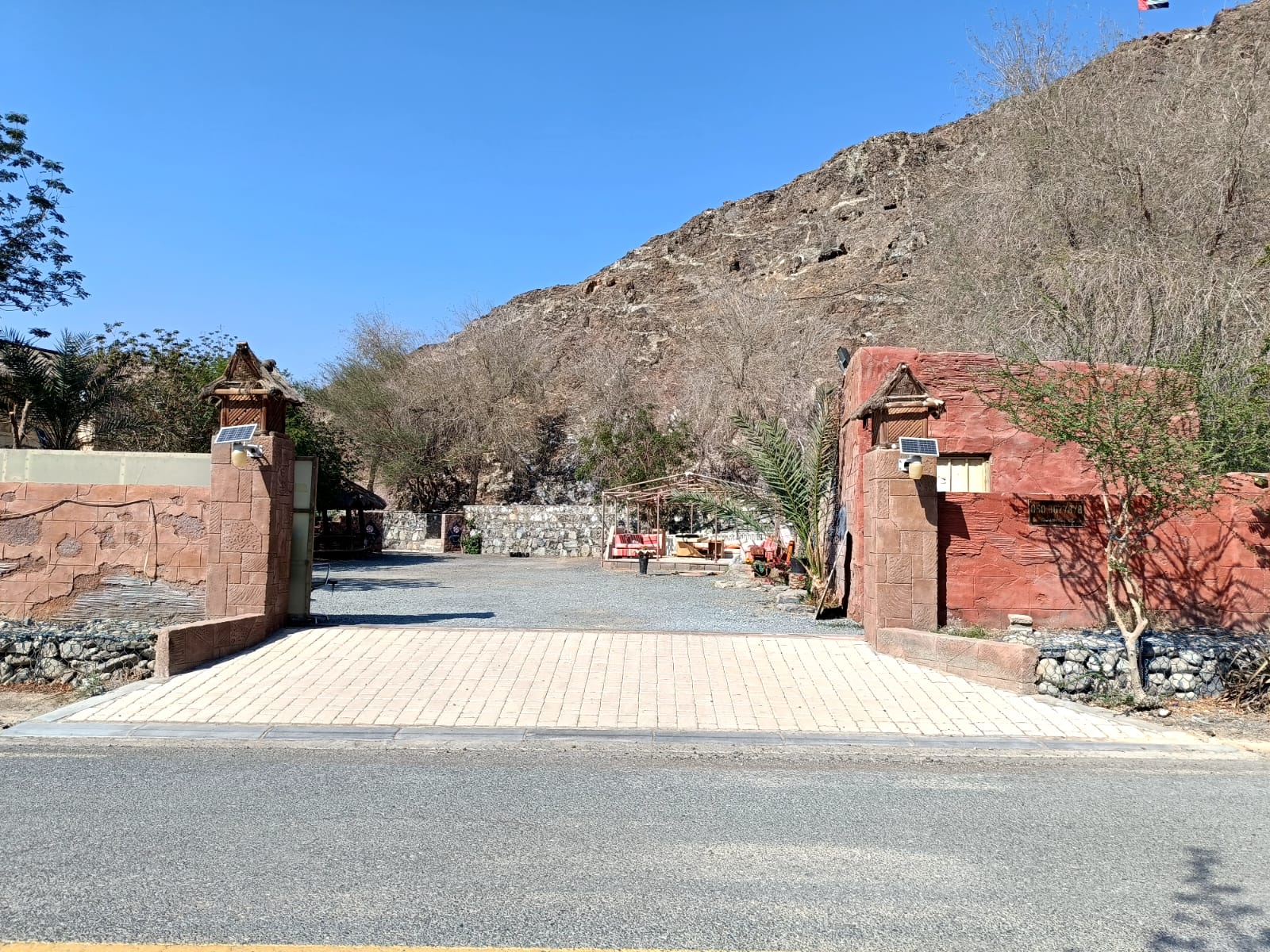
Round it out at the National Museum of Ras Al Khaimah, housed in a former ruling-family fort, with Bronze Age artefacts, traditional weapons and documents tracing the emirate's evolution. If heritage trips are your thing, authentic farm stays in RAK pair beautifully with a history-focused itinerary — rural properties like this mountain farm with pool put you close to the old villages.
Where are the best beaches and coastal experiences in RAK?
RAK's 64 kilometres of coastline are its quiet superpower. Al Marjan Island — four coral-shaped man-made islands stretching into the Gulf — is the hub: public beaches, landscaped running and cycling tracks, a corniche with cafés and food trucks, and some of the UAE's best sunset spots. Our Al Marjan Island stay review covers what it is actually like to base yourself there.
For something you cannot do in Dubai, book a Suwaidi Pearls farm tour in Al Rams. The UAE's only working pearl farm starts with a traditional dhow ride through mangrove forests, then guides explain the Arabian pearl trade — from the divers who worked without modern equipment to today's cultured-pearl science. The highlight: opening a live oyster yourself, with a real chance of finding a pearl inside.
Kayaking through the mangroves at Al Rams and sunset dhow cruises round out the coastal options — calmer, greener and far less crowded than Dubai's marina scene. As RAKTDA CEO Raki Phillips said after the record 2024 season: "2024 was a milestone year for Ras Al Khaimah, showcasing our commitment to sustainability, enhanced connectivity, and diverse experiences tailored to every traveller." With tourism revenues up 12% that year, per the RAKTDA report, coastal infrastructure keeps improving.
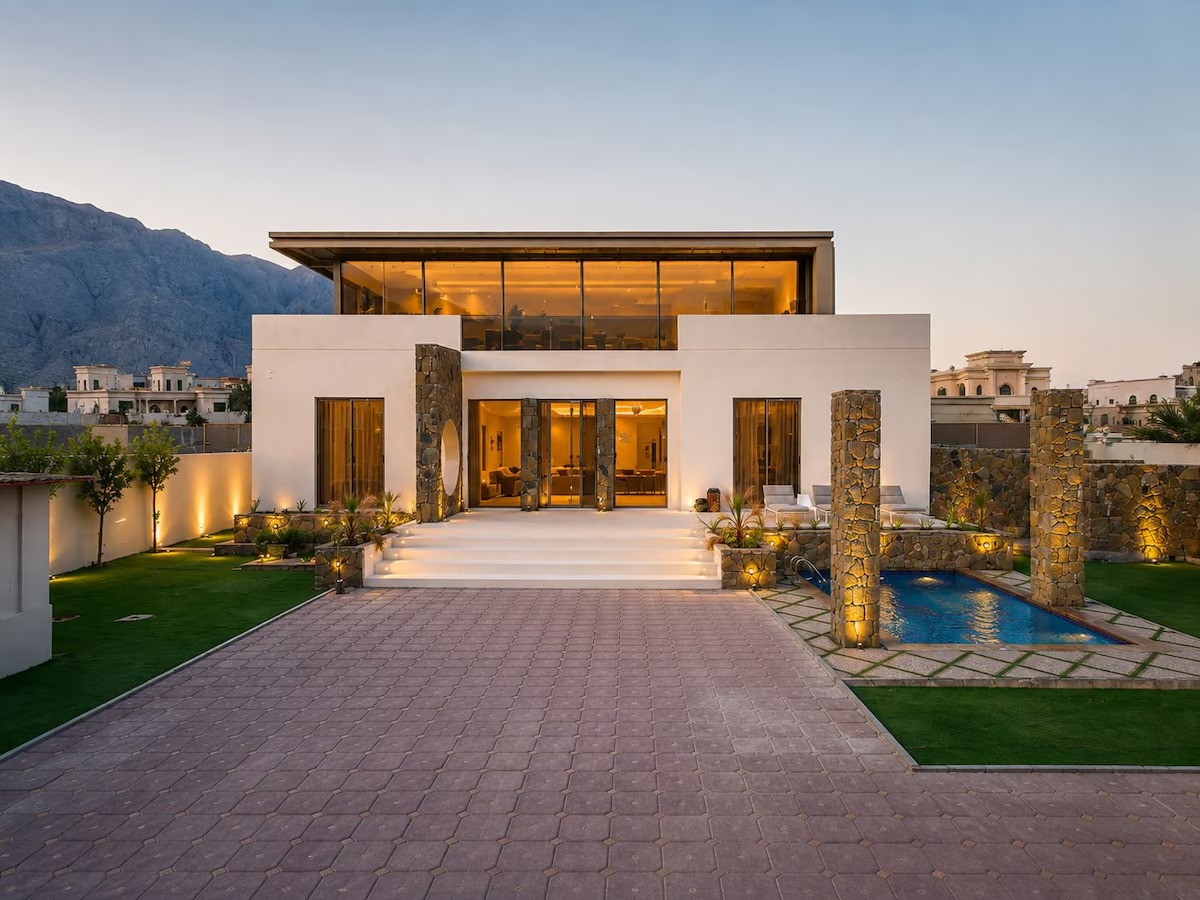
Make the coast your base: browse RAK farmhouses and holiday homes near the beaches — for instance this private bamboo villa with pool in RAK — and wake up minutes from the water.
What can you do in RAK's wadis and desert?
South of the city, Wadi Shawka is RAK's most accessible hiking area: a massive dam with a steep staircase built into its side, rugged mountain trails and natural pools that fill after winter rains. It is busy on cool-season weekends, so start early.
For the desert itself, the terracotta dunes around the emirate host classic safari experiences — dune bashing, camel rides, falconry shows and Bedouin-style dinners under the stars. Our UAE desert escapes guide compares the best options, and the glamping guide covers overnighting in the dunes. Adventurous families should also look at the Bear Grylls-style mountain camps for survival courses and cabin stays on Jebel Jais.
What are the best things to do in RAK with kids?
RAK is arguably the UAE's most family-friendly emirate for active kids. The Jais Sledder suits younger thrill-seekers, the viewing decks are pushchair-friendly, and the pearl farm tour fascinates school-age children. On the coast, shallow public beaches at Al Marjan are gentler than many Dubai beaches, and the mangrove kayaking is calm enough for beginners.
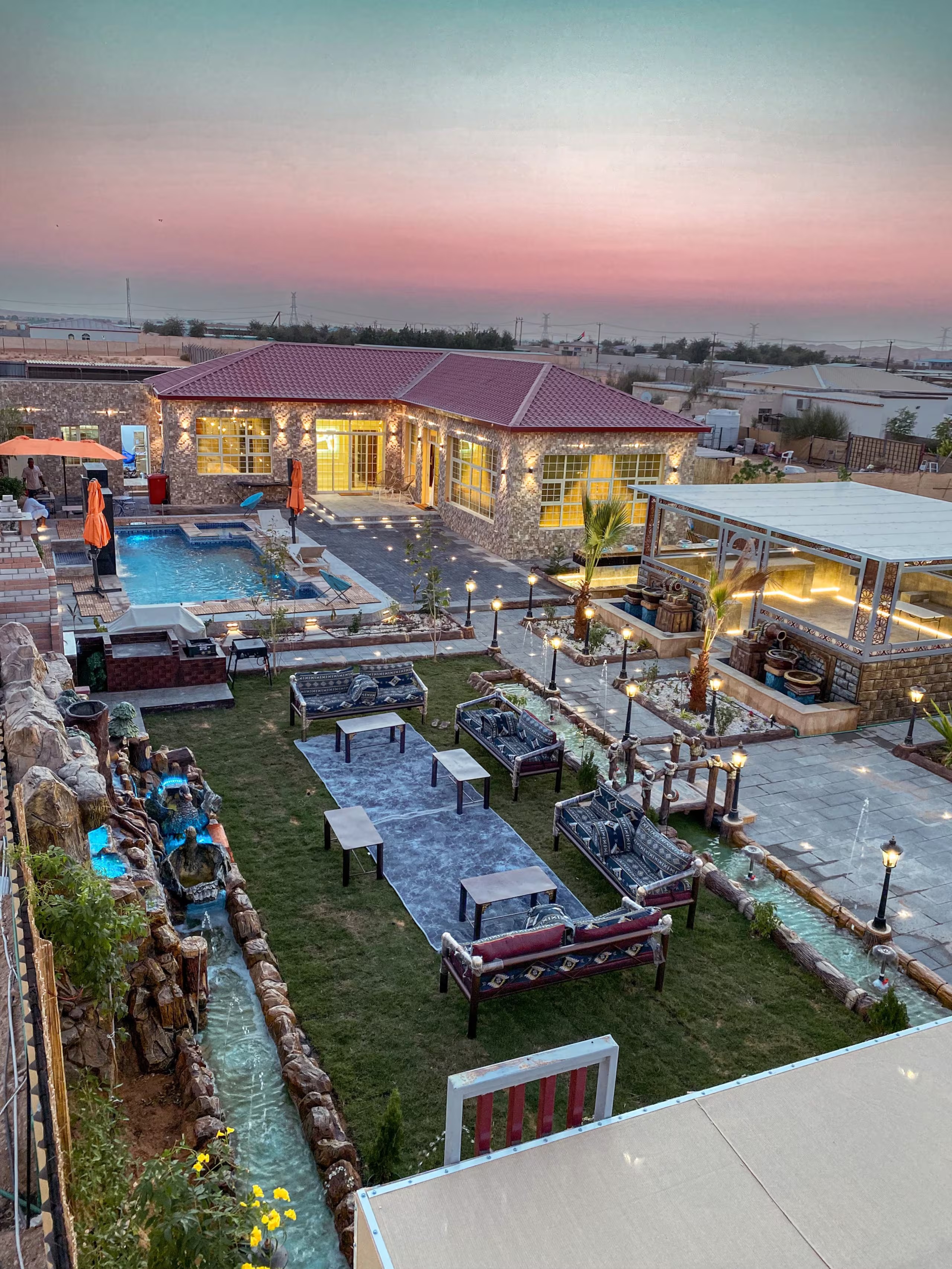
Pair the attractions with a stay the kids will remember: a family villa staycation in Ras Al Khaimah with a private pool, or one of the best farm stays across the UAE by emirate. Our family staycation ideas for UAE weekends and the pet-friendly villa options in RAK help if the dog is coming too.
"RAK works for families because the attractions and the stays are close together," notes the Wenjoy bookings team. "You can do the mountain in the morning and be back at your private pool by lunch — no long transfers eating into the day."
When is the best time to visit RAK's attractions?
October to April is the sweet spot for everything: hiking, the zipline, heritage walks and desert nights. Summer (May–September) is brutally hot for outdoor activities, but it is also when the deals appear — see our summer staycation guide and the seasonal farmhouse calendar for timing strategies.
| Season | Best for | Watch out for |
|---|---|---|
| Oct–Apr | Zipline, hiking, heritage, desert camps | Weekend crowds; book stays 3–4 weeks ahead |
| May–Sep | Beach resorts, pools, indoor attractions | 45°C+ heat; outdoor activities limited to early morning |
| Dec–Jan | Peak weather, NYE events | Highest prices; RAK's NYE fireworks set two Guinness World Records for 2025 |
Frequently Asked Questions
How many days do you need in Ras Al Khaimah?
Two to three days covers the highlights: one day for Jebel Jais and the mountain attractions, one for heritage sites and the pearl farm, and one for the beach or desert. Add a fourth day if you want a slow pool day at your stay.
How do you get to Jebel Jais from Dubai?
Drive north on the E311 to Ras Al Khaimah (60–75 minutes), then follow signs to the Jebel Jais mountain road — a 30-kilometre scenic climb to the summit area. The whole trip from Dubai takes about two hours. Go early on weekends to beat the crowds.
Is the Jebel Jais zipline safe for beginners?
Yes. The Jebel Jais Flight is operated by professional adventure company Toroverde with full safety briefings, harnesses and helmets provided. Riders must meet minimum weight and height requirements (typically 40 kg and 122 cm). If it sounds too intense, the mountain getaway options include gentler alternatives.
What is the best area to stay in for RAK attractions?
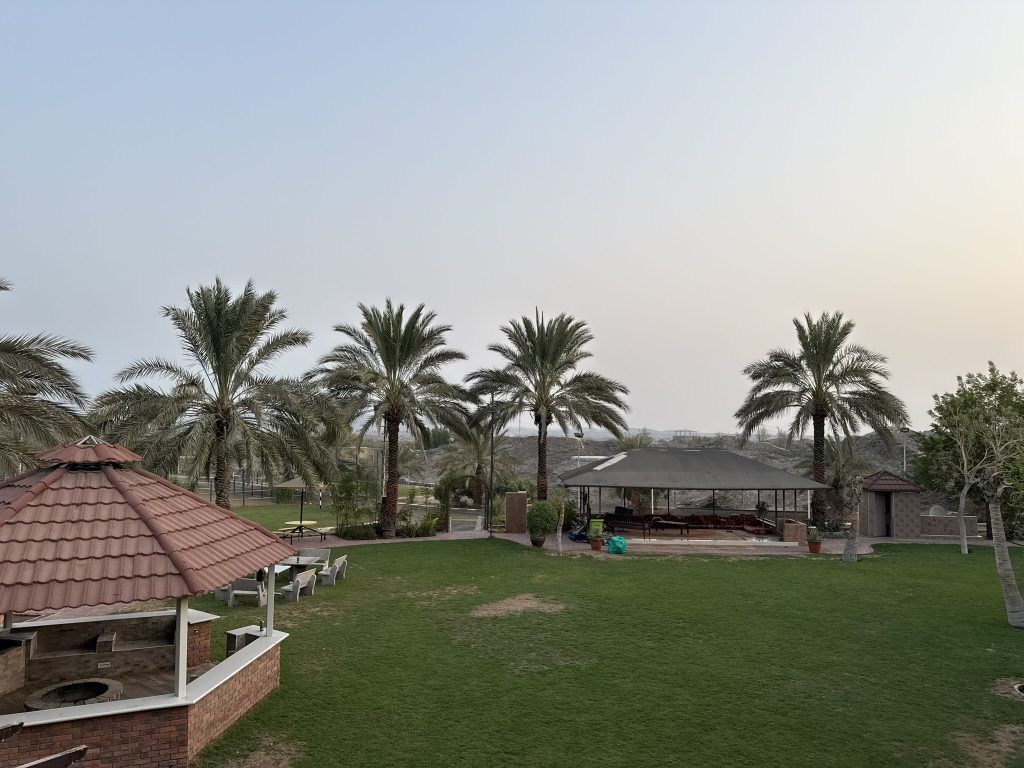
Stay near Al Marjan Island or Al Hamra for beaches and resorts, or on the mountain side for Jebel Jais access. For a private base, RAK farmhouses and villas split the difference — many sit 20–30 minutes from both the coast and the mountain road.
Are RAK attractions suitable for young children?
Mostly, yes. The viewing decks, pearl farm, beaches and mangrove kayaking suit all ages. The zipline and sledder have age, height and weight minimums — check before promising the kids. The family villa amenities guide helps you pick a stay that covers downtime between outings.
Can you visit RAK attractions on a day trip from Dubai?
You can, but you will only scratch the surface. A day trip covers either the mountain or the coast, not both. An overnight stay — even one night in a verified RAK holiday home — turns a rushed drive into a real getaway.
RAK rewards travellers who stay overnight: the mountains at sunrise, the heritage sites without the day-trip crowds, the beach at sunset. Browse verified farmhouses and holiday homes in Ras Al Khaimah and build your trip around a stay as good as the attractions.
Frequently Asked Questions


Search
Recent Posts

Top Farmhouse Stays


Book a UAE Farmhouse
Verified hosts, instant booking, AED pricing. From private-pool villas to group-size farmhouses across all 7 Emirates.
Browse Farmhouses →