


 Wenjoy Editorial
19 Nov 2026
Farmhouse
Holiday Home Scams in the UAE: How Fake Listings Work, and
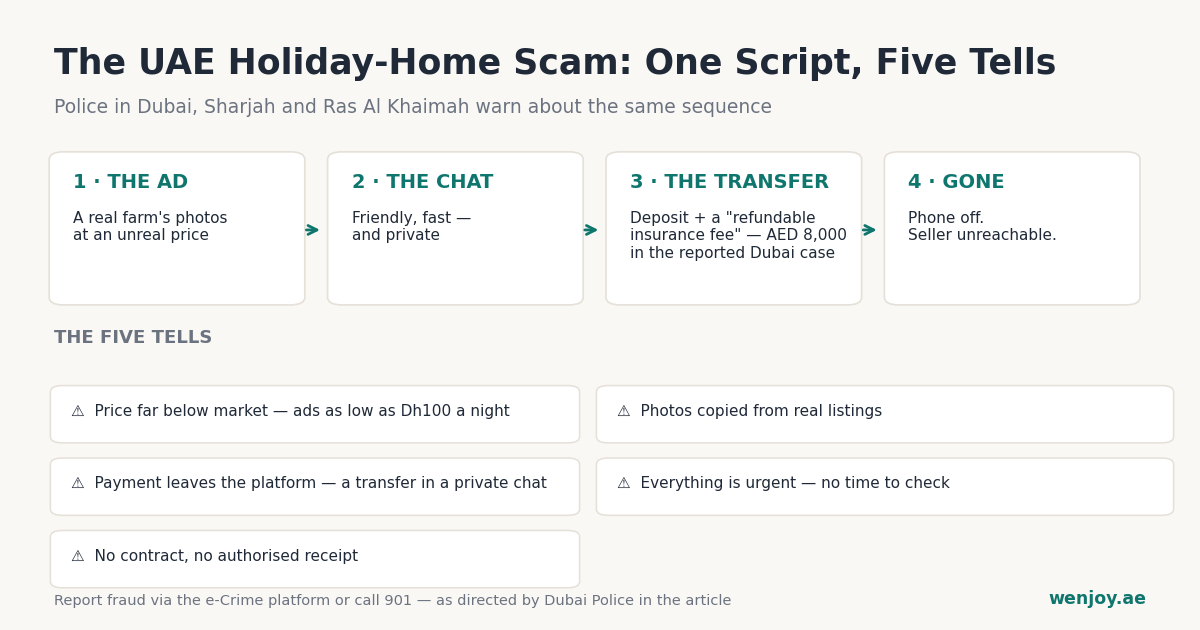
The short answer — the UAE holiday-home scam is one script with small variations: a real farm's photos, an unreal price, a deposit-plus-insurance transfer request, urgency, then silence; police in three emirates warn about it by name, and every step of the script has a tell
The holiday-home scam police describe in the UAE runs to one script: an advert built from a real property's photos, priced far below the market, asking for a deposit plus a refundable insurance fee by transfer, under time pressure — then the seller disappears. Dubai, Sharjah and Ras Al Khaimah Police all warn about it. Every step has a tell, and the checks below break the script before money moves.
This is not a hypothetical risk. It is a documented, police-warned pattern, repeated with the same steps in warnings from three emirates — and because the script barely changes, it can be learned. A guest who knows the order of the steps can spot step two while it is still a chat message. Nothing in this guide names any real business or person as a scammer; the pattern is the subject.
The script, step by step — the ad, the chat, the transfer, the disappearance
Dubai Police described the script through a reported case, under its "Be Aware of Fraud" campaign. A man responded to an online advert for a chalet in Dubai at an attractive offer. The advertiser asked him to pay a deposit along with a refundable insurance fee, on the promise that it would be refunded. He transferred AED 8,000. The scammer then switched off his phone and became unreachable.
Strip the case to its steps and you have the template. First, the ad: attractive, on social media or an online platform, priced to stop the scroll. Dubai Police say fraudsters often use photos and details from genuine property listings and repost them at unusually low prices — the farm in the pictures may be entirely real; it is the seller who is not. Second, the chat: friendly, fast, and private. Third, the transfer: a booking deposit, plus a fee dressed up as protection — a documentation fee or, as in the reported case, an insurance fee — requested quickly, on the grounds of high demand, before the victim has viewed the property or signed any official contract. Fourth, the disappearance: phone off, conversation over, and the victim left to discover that the property either does not exist as advertised or its real owner has no connection to the person who took the money.
Sharjah Police describe the same shape against chalets and apartments in peak periods: fake advertisements, attractive prices, a claim that bookings are filling up, advance payment — then the seller cuts off communication and the photographs turn out to have been copied from legitimate listings. When three forces describe one sequence, learn the sequence.
The five tells — price, photos, payment channel, urgency, and paperwork
The price is far below the market. Ras Al Khaimah Police warn of villa and farm-stay ads priced as low as Dh100 a night. You do not need insider knowledge to judge a price: real farm stays display real tiers on real listing pages, and a figure that sits nowhere near any of them is not a bargain, it is the bait. Dubai Police name a significantly lower price than similar properties in the same area as one of the biggest warning signs.
The photos are too good and strangely familiar. The pictures are the genuine article — that is the point. They are copied or manipulated from real listings, which is why they look professional. If the same photographs appear on a proper listing page elsewhere, under a different name, price or seller, you have found the original — and it is not the person messaging you.
The payment leaves every platform. The request is a transfer to a personal account, arranged in a private chat. Ras Al Khaimah Police's advice is blunt: never send money through private chats or links. A real booking has a page, a price for your dates and a payment step that belongs to that page.
Everything is urgent. High demand, the offer expiring, another guest about to take your dates — Sharjah and Dubai Police both name the pressure script. Urgency exists to stop you doing the checks in the next section, which take minutes.
There is no contract and no authorised receipt. Sharjah Police urge the public to deal only with licensed businesses that provide official contracts and authorised receipts before any money moves. The scam offers neither — only a chat and an account number.
The checks that break the script — find the real page, keep payment on the platform, verify the seller
Each check answers one tell. Find the same property on its real platform page: search the farm's name and photographs, and compare what the genuine page displays — its tiers, its rules, its deposit — with what the advert claims. Wenjoy's verify-listing-before-booking checklist and its guide to how to verify rental photos cover those verification skills in full; this article's job is the fraud pattern, not the checklist.
Ras Al Khaimah Police add two checks of their own: read the comments under the listing, because earlier warnings from other residents may already be there, and check the property on Google Maps to see whether it exists and matches the photos.
The two-minute triage. Run it in this order, and stop at the first failure: (1) Price sanity — compare the advert's nightly figure with the tiers on the property's real listing page; a Dh100-a-night farm against real tiers in the thousands fails instantly. (2) Photo origin — if the same photos appear on a platform page under a different seller, the advert is the copy. (3) Payment channel — any request to transfer to a personal account in a private chat ends the conversation. (4) Paperwork — no contract and no authorised receipt, no payment. Two or more tells together is not a negotiation; it is the script, and the correct move is to leave the chat and find the real page. Then keep the transaction where transactions belong: book only through trusted official platforms, and verify the seller is a real, licensed business before paying — the licence layer is a subject of its own, and Dubai Police likewise urge people to verify the owner's details and physically check the property before making payment. For contrast, a genuine page such as Countryside View With Pool Slides carries its photos, three price tiers, deposit line and house rules on the platform page itself — nothing essential lives only in a chat. No platform can guarantee your safety, and this guide claims no such thing for Wenjoy or anyone else; what a real page gives you is verifiable information in one place, which is exactly what the script cannot survive.
If you already paid — stop, keep everything, and report it
If you have transferred money and the seller has gone quiet, act on the assumption the script has completed. Stop any further transfers — a second request, for a release fee or a refund charge, is the same script asking again. Keep everything: the advert, the chat, the transfer receipt, the account details and the phone number, switched off or not.
Then report it. Dubai Police direct the public to report fraud and suspicious offers through official channels, including the e-Crime platform or by calling 901. Tell your bank immediately as well, with the transfer details in hand — Sharjah Police warn that hasty payments can be difficult to recover, which is a reason to report fast, not a reason to expect any promised outcome. No honest guide can promise your money back. What reporting does is put the advert, the account and the number into the system that produced the warnings this article is built on — and it is how the next guest's search finds a warning instead of an advert. If anything about a live booking feels off before you pay, contact Wenjoy rather than a stranger in a chat, and read Wenjoy's guide to how booking holiday homes in the UAE works before any money moves.
Frequently Asked Questions
How do holiday-home scams work in the UAE? To the script police in Dubai, Sharjah and Ras Al Khaimah describe: a social-media or online advert for a chalet, villa or farm stay at an unusually low price, built from photos copied from genuine listings; a private chat; a request to transfer a deposit plus a fee such as a refundable insurance fee, under claims of high demand, before any viewing or official contract; then the seller switches off their phone or cuts off communication.
Is a very cheap farmhouse on social media always a scam? Not automatically — but price is the first tell, not a detail. Ras Al Khaimah Police warn of ads as low as Dh100 a night, and Dubai Police name a price significantly lower than similar properties in the same area as a major warning sign. Judge the advert against the tiers real listings display for comparable farms, and run the checks in this guide before treating any unusually low price as genuine.
Why do scammers ask for a deposit and an insurance fee? Because the wording borrows trust from real bookings, where a refundable security deposit is normal. In the Dubai Police case, the victim paid AED 8,000 as a deposit and a refundable insurance fee, promised a refund that never came. The difference is the channel and the sequence: on a genuine Wenjoy listing the deposit is displayed in the Price Details on the page — on the worked example in this guide, as "Payable at check-in" — while the scam asks for a transfer to a stranger, in advance, before any viewing or contract.
How can I check if a farmhouse ad is real? Find the same property on its real platform page and compare photos, tiers and rules; read the comments under the advert; check the property exists on Google Maps and matches the photos, as Ras Al Khaimah Police advise; confirm the seller is a licensed business offering an official contract and authorised receipt, as Sharjah Police advise; and keep payment on the platform — never send money through private chats. Wenjoy's verification checklist and photo-verification guide cover the step-by-step checks.
I already transferred money — what do I do now? Stop any further transfers, keep the advert, chat, receipts, account details and phone number, report the fraud through the e-Crime platform or by calling 901 as Dubai Police direct, and tell your bank immediately. Police warn that such payments can be difficult to recover, so report quickly — but no outcome can be promised.
Is it safe to pay a deposit for a holiday home at all? A deposit itself is a normal part of a real booking — genuine listings display it openly in their Price Details. The risk is not the deposit; it is paying one outside any verifiable booking, to a personal account, under time pressure, before viewing or a contract. Pay through the platform page for the property, where the deposit, tiers and rules are all displayed together.
Farmhouses you can book now
Verified private stays on Wenjoy — live prices, book online or send an inquiry.

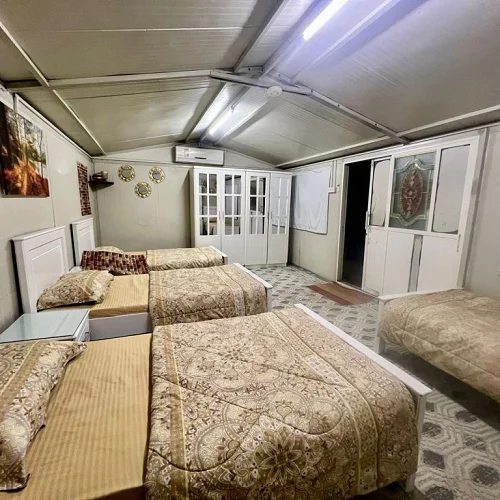

Private Room | Swimming Pool & Farmhouse Experience in RAK
Wadi Shah, Ras Al Khaimah, UAE

1Bedroom

4Bed

1Bath
Private Room | Swimming Pool & Farmhouse Experience in RAK
1 Bedroom
4 Beds
1 Bath
4 Guests
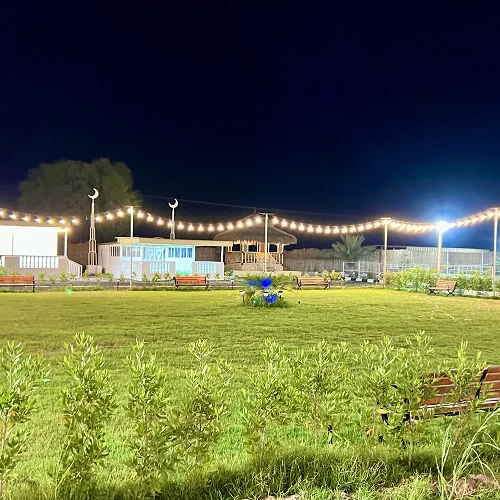
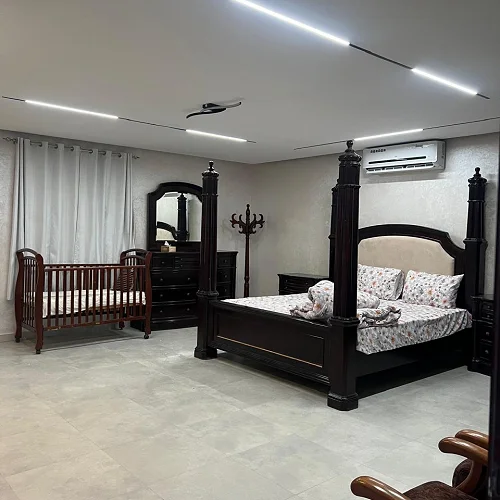
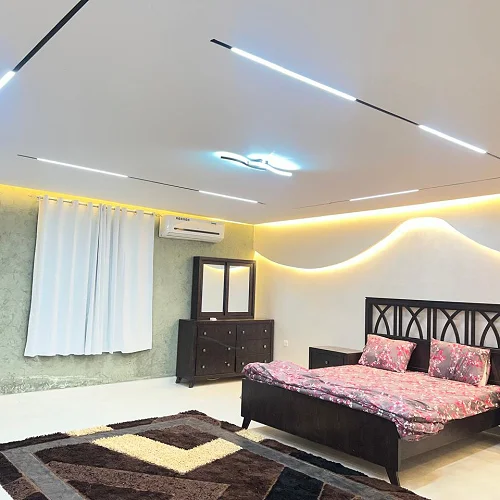
Spacious Farm Stay – Large Living Rooms & Games Ground
Muwailha, Ras Al Khaimah, UAE
3Bedroom
7Bed
3Bath
Spacious Farm Stay – Large Living Rooms & Games Ground
3 Bedrooms
7 Beds
3 Baths
25 Guests
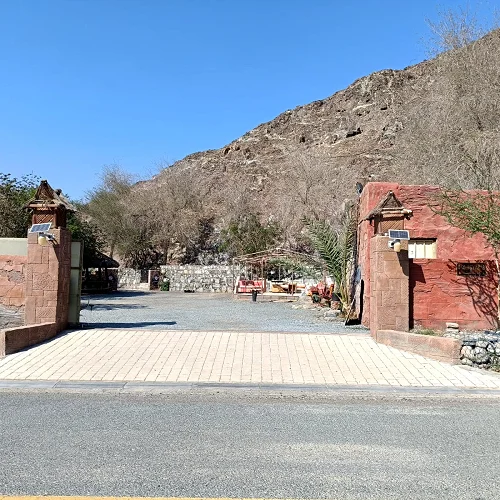
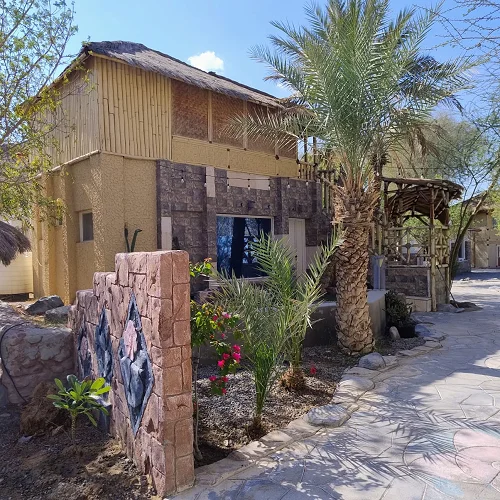
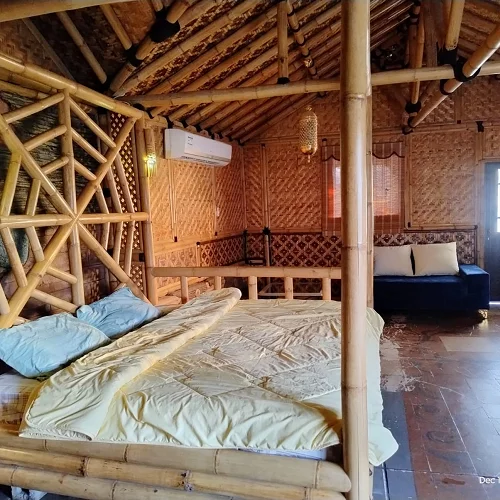
Exclusive Bamboo Villa & Private Pool in RAK
Wadi Shah, Ras Al Khaimah, UAE
4Bedroom
6Bed
5Bath
Exclusive Bamboo Villa & Private Pool in RAK
4 Bedrooms
6 Beds
5 Baths
50 Guests


Ultimate Family Adventure Farm
Hatta, Dubai, UAE
5Bedroom
9Bed
5Bath
Ultimate Family Adventure Farm
5 Bedrooms
9 Beds
5 Baths
25 Guests


Search
Recent Posts

Top Farmhouse Stays



Book a UAE Farmhouse
Verified hosts, clear AED pricing, local support. From private-pool villas to group-size farmhouses across all 7 Emirates.
Browse Farmhouses →