



 Wenjoy
28 Sep 2026
Farmhouse
Wenjoy
28 Sep 2026
Farmhouse
How to Inspect Cancellation Terms Before Booking a UAE Stay
Inspect cancellation terms by opening the policy on your exact listing, noting the refund deadline and what happens before and after it, separating refund amount from refund timing, and checking date-change and no-show rules. Five minutes of reading before payment protects bookings worth AED 2,000 to AED 10,000 or more.
Nobody books a villa in Hatta or a farmhouse in Sharjah expecting to cancel. But school calendars shift, work trips appear, and a cousin's flight gets rescheduled — and suddenly the policy you skimmed at checkout decides whether your group gets money back or an awkward conversation about lost deposits. Cancellation terms are not small print. They are the financial safety net of your booking. Here is how to read them like someone who has been burned before.
Why do cancellation terms matter more for villa bookings than hotel rooms?
A hotel room cancellation usually risks one night's charge. A UAE holiday home booking often involves far more: a 4-bedroom pool villa over Eid weekend can cost AED 6,000–10,000, and farmhouses for large gatherings regularly cross AED 3,000 for two nights. When five families split that cost, one unclear policy can sour the whole trip.
Cancellations are also more common than travelers assume. Data from Key Data, reported by NextPax, shows vacation rental cancellation rates climbing to 11.9%, with nearly half of all check-ins (49.2%) now booked less than 30 days ahead and 26% booked within a week of arrival. Late bookings and shifting plans go together — the shorter your planning window, the more likely something changes. Priceline's 2026 State of Summer Travel report found that nearly a quarter of parents (23%) had to cancel or drastically change vacation plans due to rising costs, and 69% admitted to travel cost-cutting decisions they later regretted.
The takeaway is practical, not pessimistic: the bigger the booking and the more people involved, the more weight cancellation terms deserve in your decision. A slightly less perfect villa with clear, flexible terms often beats a dream property with a strict no-refund policy when your dates are not rock solid. Learn the basics of booking UAE holiday homes first, then read the short-stay booking guide for how terms fit into the full process. When comparing options, start from all available properties so you can weigh policy against price side by side.
What are the common cancellation policy types?
UAE holiday home listings typically use one of four policy structures. Knowing which one you are looking at — and what each costs you if plans change — is the core skill of this guide.
| Policy type | How it usually works | Pros | Cons |
|---|---|---|---|
| Flexible | Full refund if cancelled several days before check-in (e.g. 7+ days) | Low risk; easy group decisions | Slightly higher nightly rates; rare on peak dates |
| Moderate | Full or high refund 2–4 weeks out; partial refund closer to arrival | Balanced protection and price | Deadlines are easy to misread |
| Strict | Small refund window or credit-only; little back within 7–14 days | Often the cheapest rate | One changed plan can cost the full amount |
| Non-refundable | No refund after booking, sometimes with date-change option | Lowest headline price | Total loss if you cannot travel |
The trap is assuming the label tells the whole story. "Free cancellation" means nothing without a deadline — free cancellation up to 30 days before check-in is very different from free cancellation up to 48 hours before. Always read the label as a headline and the detailed terms as the actual contract. Also note that terms are set per property and per host, so the policy on one farmhouse tells you nothing about the villa next door.
Peak dates skew toward stricter terms because hosts know they can rebook Eid or National Day weekends — with December staycation rates running 15–20% higher even before the holidays, according to Khaleej Times reporting. If your dates are fixed on a popular weekend, expect moderate-to-strict policies and factor that risk into your budget. The instant vs inquiry booking guide explains how booking method interacts with terms, and the short-term rental guide covers UAE-specific booking norms. For the platform-level rules behind every listing, read Wenjoy's terms and conditions.
How do you read a cancellation window correctly?
The cancellation window is the period during which a stated refund rule applies — and misreading it is the most expensive mistake in this guide. Read it as a timeline with three questions: what is the exact final date and time to cancel, what happens if I cancel before that point, and what happens after it?
Watch for these details. First, confirm whether the deadline is measured in 24-hour periods or calendar days — "7 days before check-in" for a Friday 3pm check-in could mean the previous Friday at 3pm sharp, not "sometime Friday." Second, check the time zone, which matters when a GCC visitor books from Saudi Arabia or Kuwait, or when you are cancelling late at night. Third, look for tiered deadlines: many villa policies offer one outcome 30+ days out, a smaller refund 14–30 days out, and nothing inside 14 days. Write each tier down.
The moment you book, put the final cancellation deadline in your phone calendar with a reminder two days before. That buffer gives you time to poll the group — the cousin, the in-laws, the colleague — instead of making a panicked decision at midnight. If one person organized a family escape to Ras Al Khaimah or a team retreat near Al Ain, make sure that person controls the email and phone number on the reservation so updates actually reach them. The farmhouse booking checklist includes policy checks alongside amenity checks, and the listing verification checklist helps you confirm details before paying. For questions about how Wenjoy handles bookings and support, see the Wenjoy FAQ.
What is the difference between refund amount and refund timing?
Two separate questions hide inside every "refundable" label. Question one: what portion of your payment comes back if you cancel at a given point? Question two: when and how does that money actually reach you?
On the amount, read carefully: some policies refund the accommodation total but exclude service or processing charges; others distinguish between the nightly rate and extras like BBQ setup fees or additional-guest charges. If your group split the cost, find out who receives the refund — it is usually the person whose card made the booking, not whoever transferred their share. Sort that out before anyone pays, not after.
On timing, an approved refund is rarely instant. Depending on the payment method, it can take several business days to appear, and bank processing in the UAE sometimes adds its own delay. Do not promise the group their money "is already back" until it actually lands.
Never assume early cancellation equals a full refund. The policy — not the word "refundable" — decides the outcome. As Audrey Kohout, co-CEO of LugLess, observed in their 2026 travel survey: "Americans are becoming much more intentional about how they spend so they don't have to sacrifice their vacations... Instead of canceling trips, they're cutting expenses." The same intentionality applies here: protect the trip with clear terms rather than hoping you will not need them. For a calmer booking process overall, read how to book a UAE staycation without stress, and check when to book staycations to understand how timing affects both price and flexibility. Compare live options across all Wenjoy properties with terms visible before you commit.
Booking a big group stay? Do not leave the policy to chance. Browse Wenjoy's verified holiday homes, open the cancellation section on each shortlisted listing, and choose the property whose terms match your group's certainty — flexible when plans are fluid, value-priced when dates are locked.
Can you change dates instead of cancelling?
Moving a stay from one weekend to another feels simpler than cancelling, but date changes carry their own rules — and sometimes a date change is processed as a cancellation plus a brand-new booking, which means the stricter of the two policies applies.
Before requesting new dates, check four things: whether the property allows date changes at all, whether the new dates are available at the same rate (Eid and December weekends often reprice higher), whether minimum-stay rules differ on the new dates, and whether the change needs host approval and how long that takes. Also confirm the property still suits the group on the new dates — a three-bedroom beach house that worked for one family weekend may not fit a larger Eid gathering.
If your plans are genuinely uncertain, ask about date-change flexibility before you book, not after. Some hosts would rather move your dates than process a cancellation, especially in the low season from June to August when rebooking is harder — and the data backs their caution: Key Data found just over half of cancelled European vacation rentals were rebooked in 2025. Get any agreement in writing through the platform's messaging so both sides share the same record. Families juggling school calendars should read the school-holiday stays guide, and anyone planning around a festival should see the Eid family gathering guide. The Wenjoy staycation collection lets you compare alternative dates quickly when a shift looks likely.
What is your five-minute checklist before paying?
Run through this list in the final minutes before you confirm any UAE holiday home booking:
- Dates and capacity — check-in/check-out dates, guest count including children, and bed setup match your group.
- Cancellation deadline — the exact date and time, saved to your calendar with a two-day reminder.
- Refund tiers — what comes back at each stage, and whether service charges are excluded.
- Date-change rules — allowed or not, repricing risk, host approval needed.
- No-show and early departure — what happens if someone arrives late or leaves early; these are often treated more strictly than cancellations.
- How to cancel — the official route (platform dashboard, specific button, confirmation message), not an informal message to the host.
- Screenshot the terms — save what the checkout page displayed, so you have a record if anything is disputed later.
Weather is worth a line in your planning too: Booking.com's 2026 Travel & Sustainability Report found that nearly one-third of travelers (31%) cancelled a trip due to extreme weather risk. In the UAE that translates to summer heat contingency — if you are booking an outdoor-heavy farm stay for July, know your options before the temperature hits 48°C. Verified listings reduce the unknowns: why verified holiday homes matter explains the protections, and photo verification tips help you confirm the property matches its listing. Anything unclear? The Wenjoy FAQ covers booking, payment and support questions.
Frequently asked questions
Where do I find the cancellation policy for a UAE holiday home?
On the property listing page, in the cancellation or booking-terms section, and again at checkout before payment. Each Wenjoy listing shows the terms attached to your exact dates — always read the listing you are booking, not a different property's policy.
What does "free cancellation" actually mean?
It means you can cancel without penalty before a stated deadline. Without that deadline it is meaningless — "free cancellation up to 7 days before check-in" and "free cancellation up to 48 hours before" are completely different offers. Find the date and time.
Can cancellation terms differ between two villas on the same platform?
Yes. Terms are set per property and host, and can vary by season and length of stay. A farmhouse in Sharjah and a villa in Dubai on the same platform can have entirely different policies.
Is changing my dates the same as cancelling?
Not always. Some properties allow date changes under separate rules; others treat a date change as a cancellation followed by a new booking. Check the date-change terms alongside the cancellation terms before assuming.
What happens if I simply do not show up?
A no-show — arriving without completing the official cancellation process — is usually treated the most strictly and often means no refund. Always cancel through the platform's official route, even at the last minute.
How long do refunds take in the UAE?
It varies by payment method, but approved refunds typically take several business days to appear after processing, plus potential bank delays. The person whose card paid for the booking is usually the one who receives the refund.
Should I choose flexible terms or a cheaper strict rate?
Choose flexible terms when your dates, guest count or travel plans could change — especially for group bookings where one person's change affects everyone. Choose the cheaper strict rate only when dates are certain and the group is committed.
Protect the booking before you protect the weekend
The right cancellation policy does not make your trip happen — but the wrong one can make a changed plan far more expensive than it needs to be. Read the window, separate amount from timing, check date-change rules, and screenshot everything at checkout. Then book with confidence. Browse verified UAE holiday homes on Wenjoy, compare cancellation terms across listings, and choose the stay whose policy fits your plans as well as its pool fits your group.
Frequently Asked Questions


Search
Recent Posts



Top Farmhouse Stays
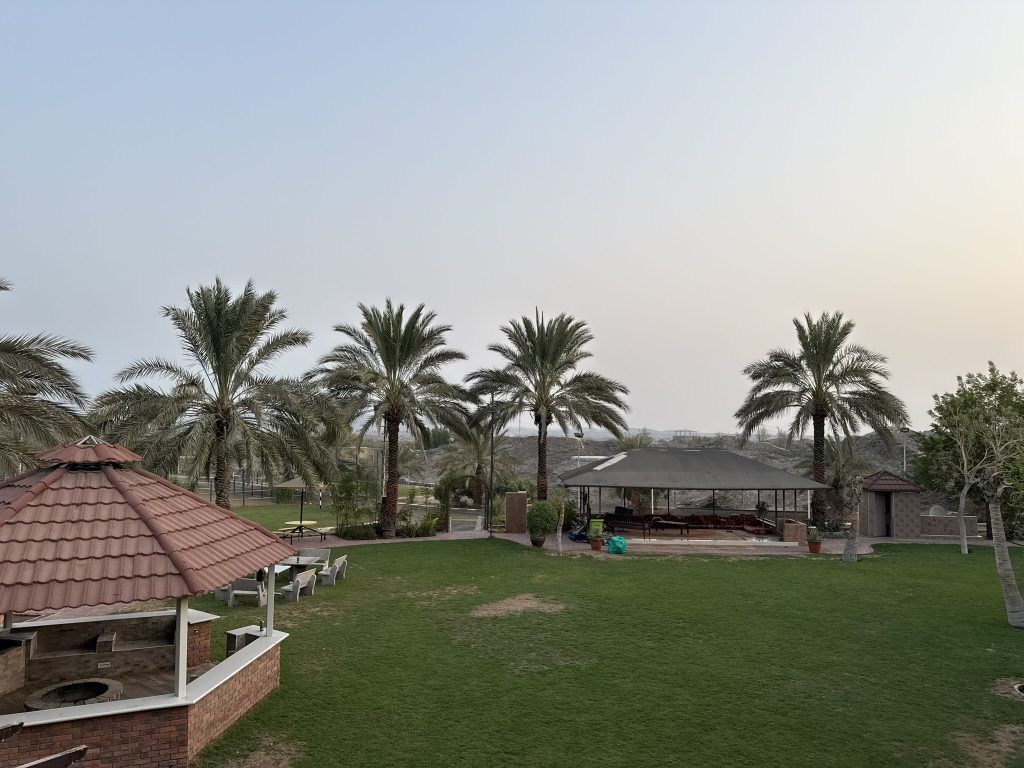









Book a UAE Farmhouse
Verified hosts, instant booking, AED pricing. From private-pool villas to group-size farmhouses across all 7 Emirates.
Browse Farmhouses →